

Who should enter the ‘Best Use of AI in Manufacturing’ category?
This award recognizes outstanding deployments of AI technologies into the manufacturing process. We are looking for innovations that utilize AI to optimize production processes, enhance product quality, and/or drive operational efficiency within the manufacturing industry.
As manufacturing operations become more complex and interconnected, companies face numerous challenges, such as demand volatility, production variability, supply chain disruptions, and quality control issues.
AI technologies, including machine learning, computer vision, predictive analytics, and robotics, enable manufacturers to address these challenges effectively by leveraging data-driven insights, automation, and intelligent decision-making capabilities.
Your submission should showcase how your AI solution revolutionizes the traditional manufacturing process.

Example Use Cases
AI can be applied to manufacturing to support several processes or operational functions. Here are a few examples:
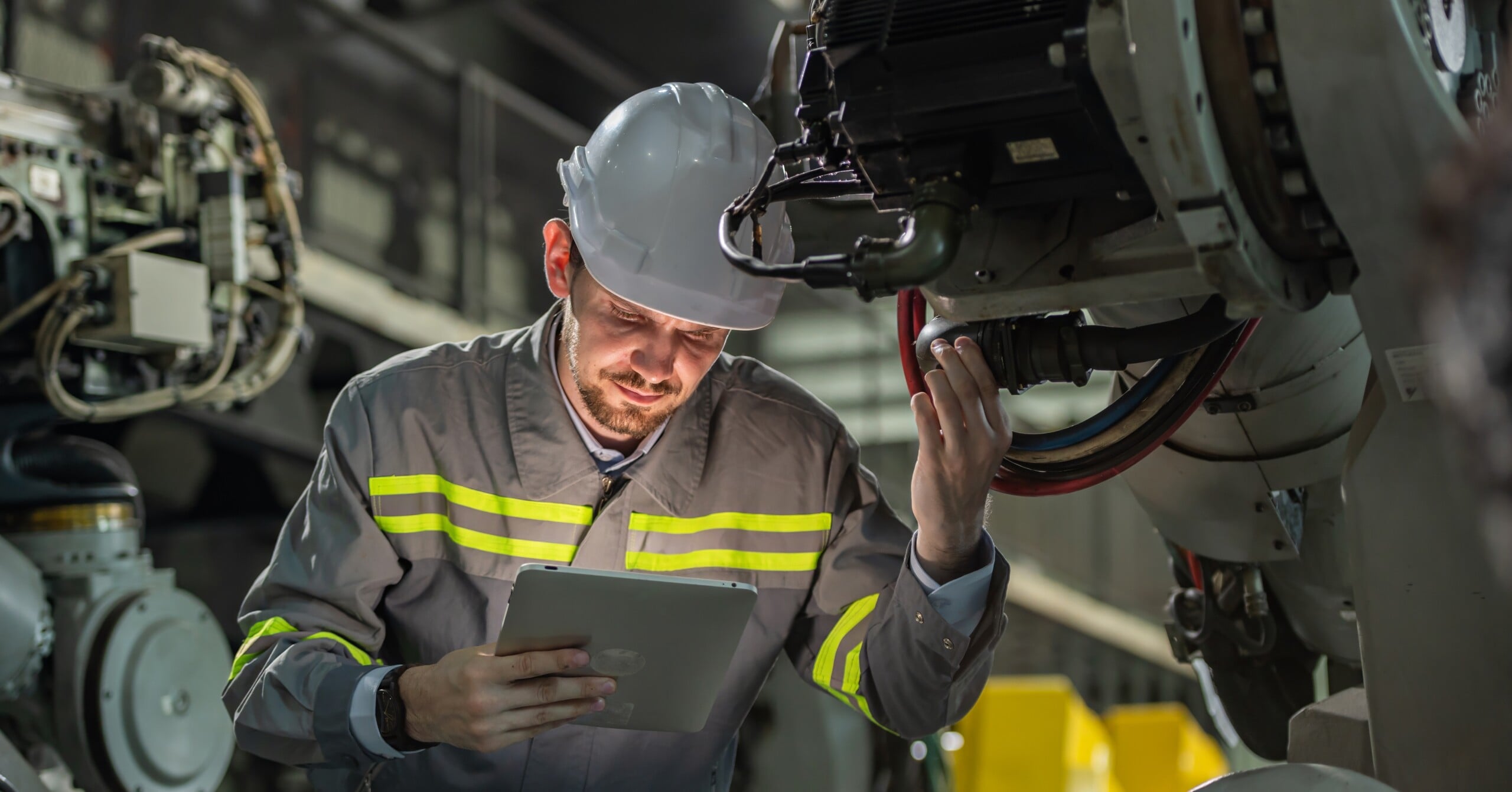
Analyze sensor data, equipment performance metrics, and historical maintenance records to predict equipment failures before they occur.
By detecting early warning signs of potential malfunctions, manufacturers can schedule maintenance activities proactively. This minimizes unplanned downtime, and optimizes equipment reliability and availability.

Optimize production schedules, resource allocation, and workflow management to maximize throughput, minimize lead times, and optimize resource utilization.
By considering factors such as production capacity, machine availability, labor constraints, and order priorities, manufacturers can improve production efficiency and reduce bottlenecks. Enhances on-time delivery performance.
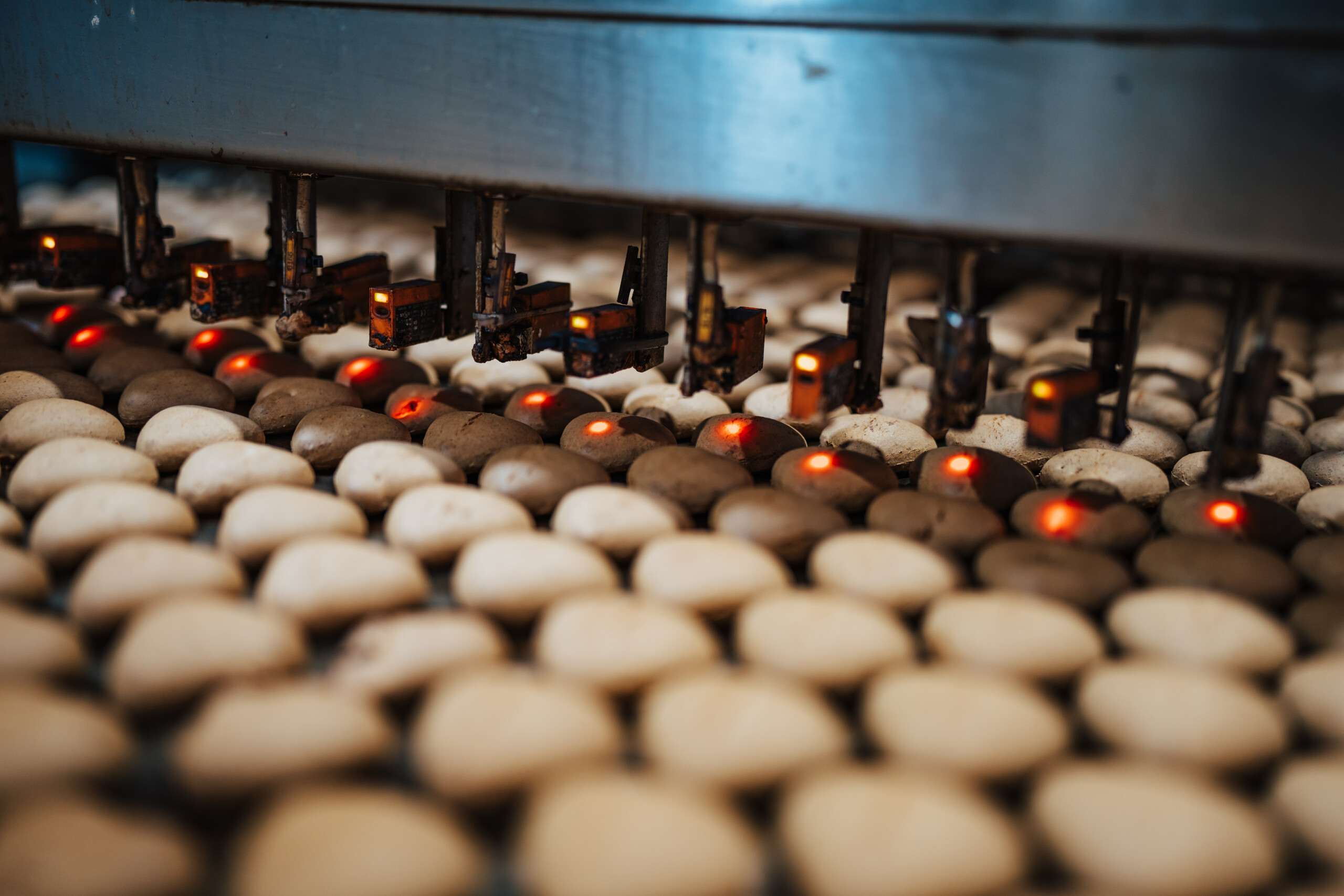
AI-powered computer vision systems inspect products and components for defects, anomalies, or deviations from quality standards during the manufacturing process.
By analyzing images and video footage in real-time, manufacturers can identify and rectify quality issues promptly and reduce scrap and rework costs. Ensures compliance with regulatory requirements and customer specifications.
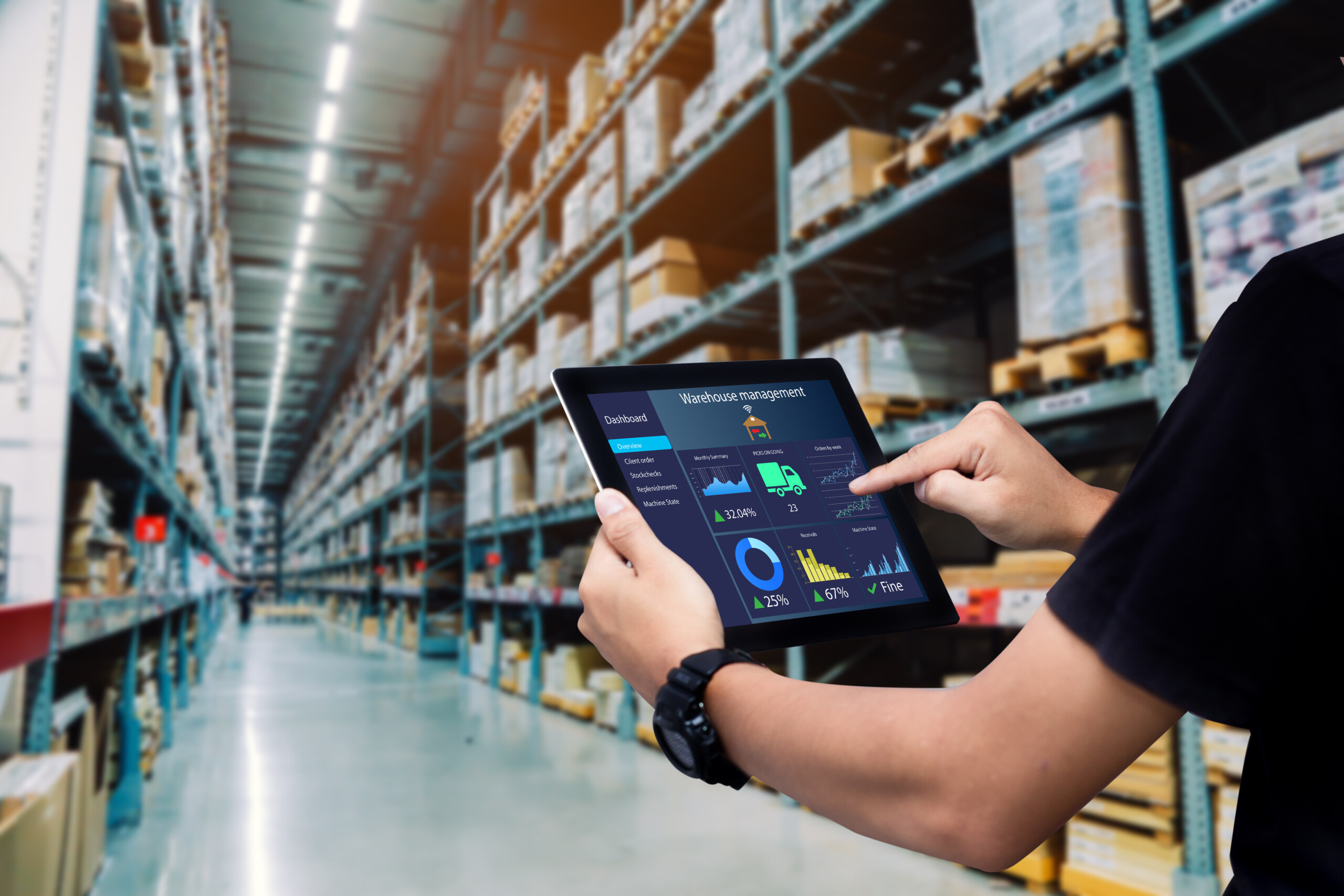
AI-driven supply chain optimization solutions leverage advanced analytics, demand forecasting models, and predictive algorithms to optimize inventory levels, procurement decisions, and production scheduling.
By synchronizing supply and demand signals in real-time, manufacturers can minimize stockouts and reduce excess inventory. Improves supply chain resilience and responsiveness.

AI-driven smart manufacturing solutions integrate IoT sensors, data analytics, and AI algorithms to create interconnected and intelligent manufacturing environments.
By capturing and analyzing real-time data from production equipment, sensors, and connected devices, manufacturers can monitor and optimize manufacturing processes. Improves asset performance, and enables autonomous decision-making and adaptive control.
Hall of Fame: Previous Winners
Areas to Highlight in Your Submission
Judges score nominations across these five key areas:
Although not formally scored, focus on these areas specific to this category, can help your nomination stand out:
More A.I. Awards Categories
Next Steps to Enter The A.I. Awards
To enter this AI Awards category, or any other category in The AI Awards, please follow these three simple steps:
The A.I. Awards is a program from The Cloud Awards. Since 2011, we’ve been helping organizations across the globe gain the recognition they deserve for market-leading innovation in the cloud computing and software sectors.
For a detailed breakdown of all the benefits you receive as an awards entrant as either a shortlistee, finalist or ultimate winner, please see our “Why Enter?” page. The many benefits are replicated across all international awards programs. If you have any questions about this category, please contact us.