

Who should enter the ‘Best AI-driven Automation Solution’ category?
This award celebrates innovative AI-driven solutions that demonstrate excellence in enhancing operational efficiency, reducing manual labor, and driving cost savings through automation.
AI-driven automation solutions have become indispensable for organizations seeking to gain a competitive edge, improve productivity, and achieve scalability.
AI technologies, including machine learning, natural language processing, computer vision, and robotics, have revolutionized automation by enabling systems to learn from data, adapt to changing conditions, and make intelligent decisions autonomously.
Whether through the development of AI-powered chatbots for customer service, the implementation of machine learning algorithms for predictive maintenance, or the deployment of autonomous robotics for warehouse logistics, nominees demonstrate how AI-driven automation solutions drive tangible improvements in scalability, efficiency and accuracy.

Example Use Cases
AI-driven automation solutions could be applied to a wide range of use cases, processes, industries or sectors. Here are some examples:

Streamline the extraction, transformation, and loading (ETL) of data from various sources into a centralized data warehouse.
Uses machine learning models to predict future trends, with output supporting processes including sales forecasts, customer churn, or market demand.
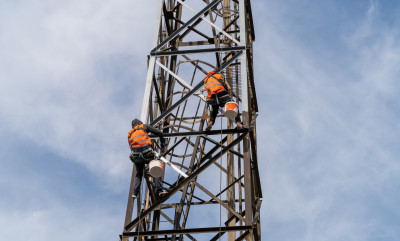
Automate predictive maintenance processes by analyzing sensor data, equipment performance metrics, and historical maintenance records. Predicts equipment failures, schedule preventive maintenance tasks, and optimize asset utilization.
Identify patterns indicative of impending failures, recommend proactive maintenance actions, and minimize downtime and production losses.
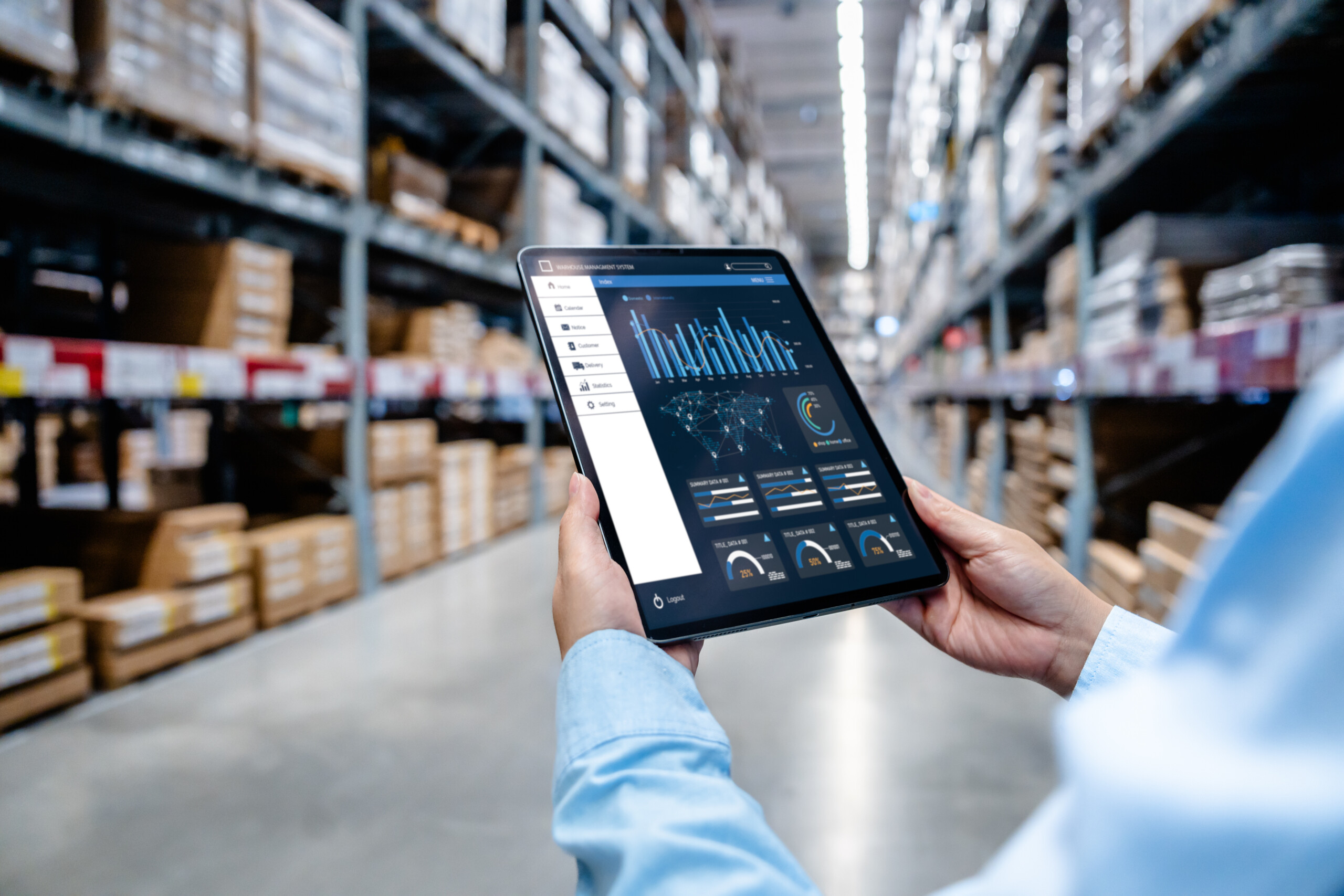
Optimizing supply chain operations by automating demand forecasting, inventory management, procurement, and logistics processes. AI algorithms can analyze historical sales data, market trends, and external factors to predict demand fluctuations, optimize inventory levels, and identify potential supply chain disruptions in advance.
AI-powered vision systems can automate warehouse operations, including picking, packing, and sorting tasks, to improve efficiency and reduce manual errors.

Automate financial transaction processing tasks, such as invoice processing, payment reconciliation, and fraud detection, to streamline financial operations and enhance compliance.
Extract relevant information from unstructured documents, such as invoices and receipts, using optical character recognition (OCR) and NLP techniques. Accelerate invoice processing times, reduce errors, and minimize financial risks.

AI-driven chatbots and virtual assistants can automate customer interactions across various channels, including websites, mobile apps, and social media platforms.
Utilize natural language processing (NLP) and machine learning algorithms to understand and respond to customer queries. Provide personalized assistance, answer inquiries, and resolve issues in real-time.
Hall of Fame: Previous Winners

Areas to Highlight in Your Submission
Judges score nominations across these five key areas:
Although not formally scored, focus on these areas specific to this category, can help your nomination stand out:
More A.I. Awards Categories
Next Steps to Enter The A.I. Awards
To enter this AI Awards category, or any other category in The AI Awards, please follow these three simple steps:
The A.I. Awards is a program from The Cloud Awards. Since 2011, we’ve been helping organizations across the globe gain the recognition they deserve for market-leading innovation in the cloud computing and software sectors.
For a detailed breakdown of all the benefits you receive as an awards entrant as either a shortlistee, finalist or ultimate winner, please see our “Why Enter?” page. The many benefits are replicated across all international awards programs. If you have any questions about this category, please contact us.