

Who should enter the ‘Best Use of AI in Leisure, Hospitality or Entertainment’ category?
This award celebrates groundbreaking applications of AI that have redefined the experience of consuming, and interacting with, entertainment, including gaming and sports. It also covers the expansive leisure and hospitality industries.
The entertainment industry encompasses a diverse range of sectors, including film, television, music, gaming, live events, and digital media. AI technologies are increasingly integrated into these domains to automate production workflows, personalize content experiences, optimize marketing strategies, and unlock new forms of artistic expression.
Cloud AI platforms provide scalable infrastructure and advanced machine learning algorithms that empower creators, distributors, and experience curators to deliver compelling value to global, national or local audiences.
Some examples of AI use in the entertainment industry might include the development of AI-driven game mechanics that adapt to player behavior, the utilization of machine learning algorithms for content curation and personalization, or the integration of computer vision and data analytics for sports performance analysis and fan engagement.
Examples of AI use in the leisure and hospitality industry may include booking optimization, dynamic pricing, footfall management, guest experience personalization, or AI-driven promotions and marketing.
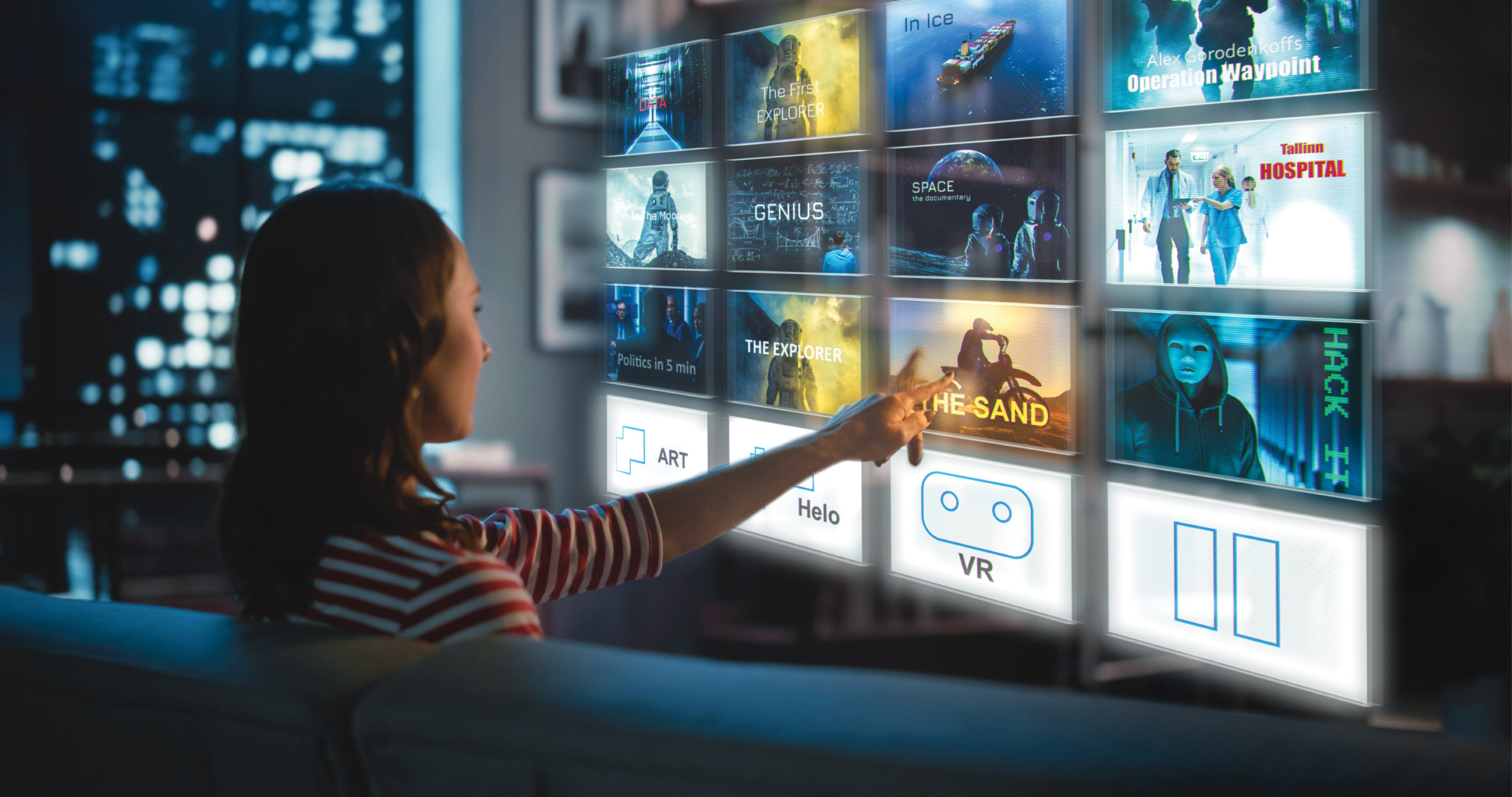
Example Use Cases
Uses of AI within entertainment, hospitality and leisure are extremely varied, covering a wide range of use cases or processes, and supporting various sectors from sports to media. Here are some examples:
For content and media, this may be analyzing user behavior, preferences, and viewing history to provide highly personalized content recommendations. Recommendations can be updated in real-time as user preferences evolve, ensuring that the content remains relevant.
This not only helps retain subscribers on streaming platforms but also enhances their overall experience by minimizing the time spent searching for content.
For the hospitality and leisure industry, personalization may personalized guest experiences and journey optimization, where AI analyzes guest behaviour, preferences, and context to tailor experiences in real time. This could be through personalized room, dining, or activity recommendations; dynamic itinerary planning for resorts, cruises, or theme parks; AI-driven concierge services (chat, voice, in-app assistants); or targeted offers based on guest intent and past behaviour.
There are many ways to identify successes in these areas, including increased NPS or CSAT scores, higher ancillary revenue per guest/user, improved loyalty or rebooking rates, or increased contract/subscription lengths.
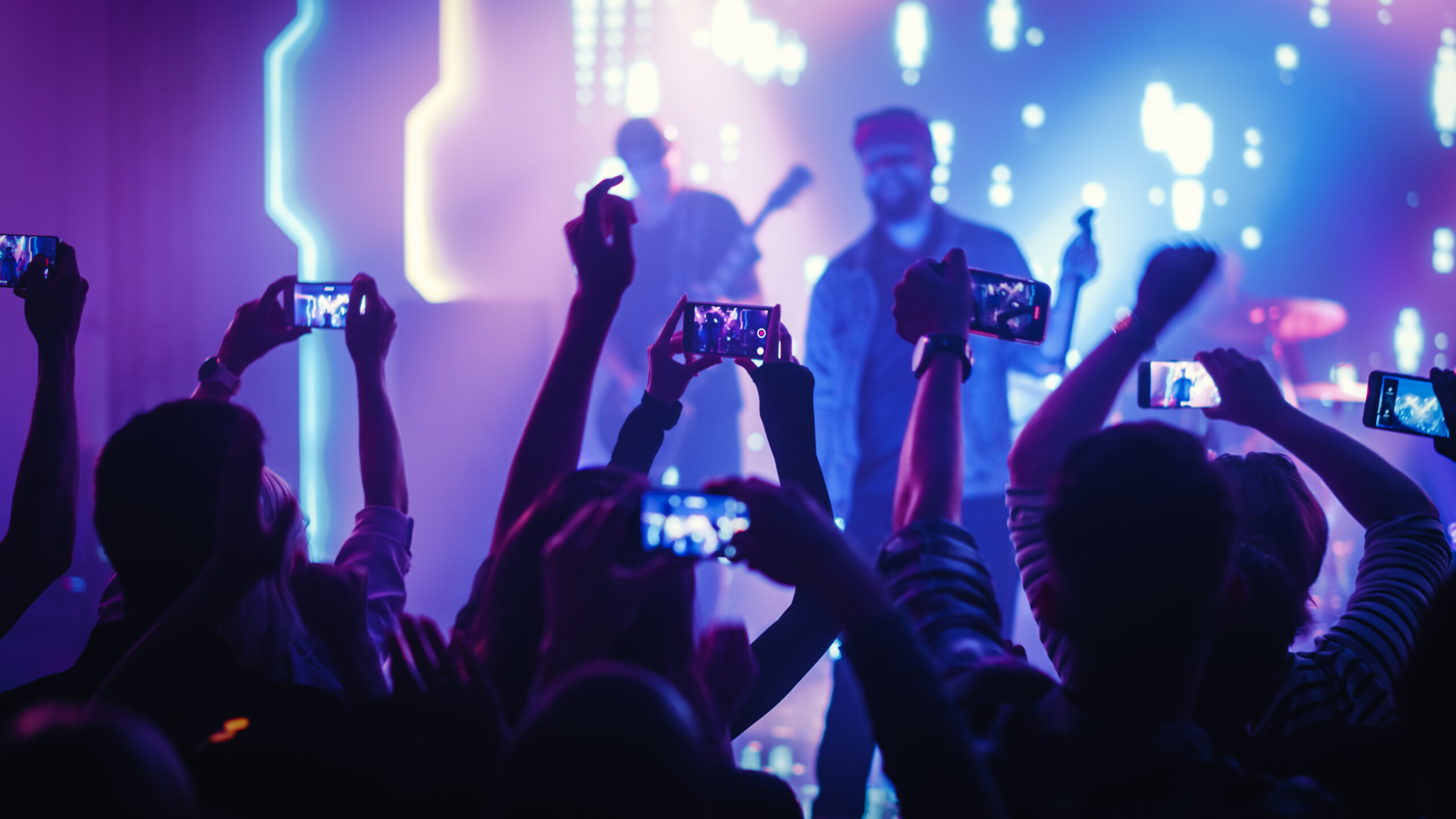
Using cloud AI to analyze vast amounts of data from social media, streaming platforms, and other digital channels to understand audience sentiment and engagement.
AI can identify trends, preferences, and emerging interests, enabling marketers to craft targeted campaigns and promotions. For live music events and gaming, AI can analyze fan interactions and feedback to create personalized marketing messages and offers.
For sports broadcasting, AI algorithms may analyze live game footage to generate real-time insights, such as player performance metrics, game statistics, and predictive outcomes.
Broadcasters can use AI to create dynamic, data-driven graphics and commentary, offering viewers deeper insights into the game. AI-driven automated cameras can capture the best angles and highlights without human intervention, ensuring that audiences do not miss key moments.
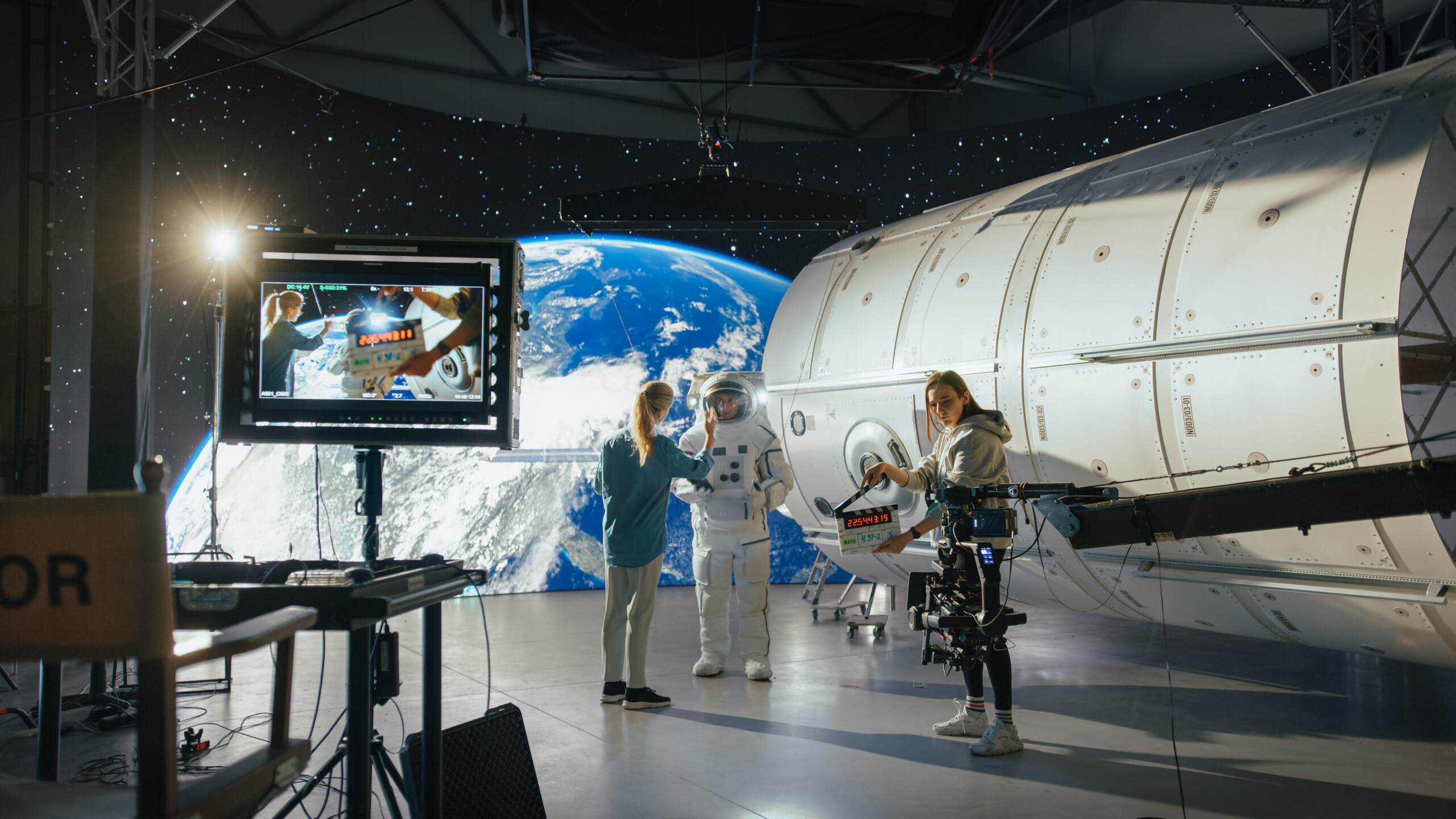
For AI-enhanced special effects and post-production, AI-powered tools can automate repetitive tasks, such as rotoscoping, where AI algorithms can accurately separate actors from the background, saving countless hours of manual labor.
AI can enhance CGI by generating realistic textures and movements, improving the overall quality of visual effects. AI-driven editing tools can analyze raw footage to suggest cuts, edits, and scene transitions, making the editing process more efficient.
For AI-powered translation, services can automatically generate subtitles in multiple languages, making content accessible to a global audience. For live events, AI may provide real-time translation of commentary and dialogue, allowing non-native speakers to enjoy the experience simultaneously with native speakers.
This technology also supports dubbing, where AI can help synchronize translated audio tracks with the original video, maintaining lip-sync accuracy.

Intelligent operations and demand forecasting may leverage AI for smarter, leaner, and more resilient venues. AI may predict demand, automate decision-making, or optimize resources across complex operations.
This may include:
- Predictive occupancy and footfall forecasting
- Workforce scheduling and shift optimization
- Dynamic pricing for rooms, tickets, or tables
- Energy usage optimization in hotels and resorts
Entrants may wish to demonstrate:
- Quantifiable efficiency gains and cost savings
- An improvement in sustainability
- Reduced labor costs or overtime
- Improved forecast accuracy
- Lower energy usage per guest/night

Intelligent AI-driven marketing, sales and revenue optimization will use AI to maximize yield without damaging the guest experience. AI may optimize pricing, promotions, and conversion strategies across digital and physical touchpoints.
Some example use cases:
- Dynamic pricing and yield management
- AI-driven upselling and cross-selling (spa, dining, experiences)
- Personalized marketing campaigns across email, apps, and ads
- Demand-based promotions during low-occupancy periods
You may wish to demonstrate a direct link to revenue growth, and/or benchmark against various outcomes such as:
- Strong alignment with commercial KPIs
- Increased RevPAR / revenue per visitor
- Improved conversion rates
- Higher average order value or booking value
Hall of Fame: Previous Winners


Areas to Highlight in Your Submission
Judges score nominations across these five key areas:
Although not formally scored, focus on these areas specific to this category, can help your nomination stand out:
More A.I. Awards Categories
Next Steps to Enter The A.I. Awards
To enter this AI Awards category, or any other category in The AI Awards, please follow these three simple steps:
The A.I. Awards is a program from The Cloud Awards. Since 2011, we’ve been helping organizations across the globe gain the recognition they deserve for market-leading innovation in the cloud computing and software sectors.
For a detailed breakdown of all the benefits you receive as an awards entrant as either a shortlistee, finalist or ultimate winner, please see our “Why Enter?” page. The many benefits are replicated across all international awards programs. If you have any questions about this category, please contact us.