

Who should enter the ‘Best AI Integration’ category?
This category celebrates outstanding achievements in seamlessly integrating cloud-based artificial intelligence (AI) technologies into existing processes or solutions to enhance efficiency, drive innovation, and deliver tangible value to organizations.
AI integration involves the incorporation of AI capabilities, such as machine learning, natural language processing, computer vision, and robotic process automation, into existing systems and workflows to augment human capabilities and achieve strategic objectives.
Successful AI integration is essential for organizations seeking to leverage the power of AI to gain insights, automate processes, and enhance decision-making.
Whether through the integration of AI-driven analytics into business intelligence platforms, the incorporation of AI-powered chatbots into customer service channels, or the embedding of computer vision capabilities into manufacturing processes, entrants should demonstrate how AI integration is driving innovation and transformation across industries.

Example Use Cases
AI can be integrated into countless applications and processes to enhance them. Here are some examples taken from previous entrants to this category.

Integrating cloud AI-powered chatbots into customer service platforms to improve response times, enhance customer engagement, and streamline support workflows. Natural language processing (NLP) and machine learning algorithms can understand and respond to customer inquiries, resolve issues, and provide personalized recommendations.
This improves the overall customer experience while reducing operational costs.

Enables organizations to forecast demand, optimize inventory levels, and mitigate supply chain disruptions more effectively. By analyzing historical data, market trends, and external factors, AI algorithms can generate actionable insights and recommendations to improve decision-making.
This enables more efficient inventory management and resource allocation across the supply chain.

Analyzes sensor data from equipment and machinery to predict potential failures or maintenance needs. Machine learning algorithms can identify patterns and anomalies in the data to forecast when maintenance is required.
This allows proactive maintenance activities to be scheduled, reducing downtime, and preventing costly breakdowns.

Enhances data analysis processes by leveraging machine learning algorithms to uncover patterns, trends, and insights from large datasets. Has the ability to automate tasks such as data preprocessing, feature extraction, and predictive modeling.
This enables faster and more accurate decision-making based on data-driven insights.
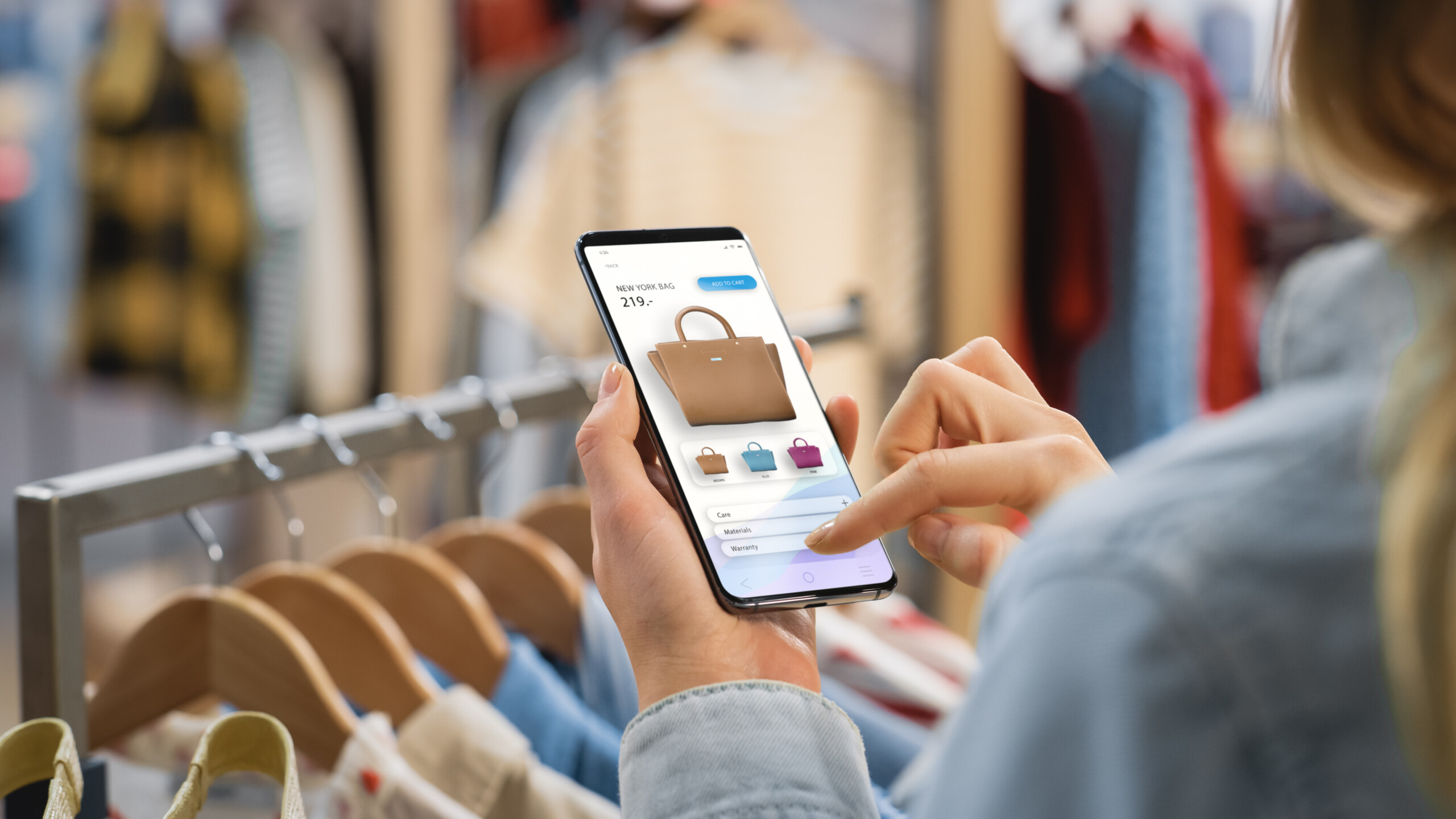
Integrating cloud AI-driven recommendation engines into marketing automation platforms can enable organizations to deliver personalized and targeted marketing campaigns to customers.
Analyzes customer behavior, preferences, and purchase history, allowing marketers to tailor product recommendations, promotions, and content. This increases customer engagement, loyalty, and conversion rates, driving revenue growth and business success.
Hall of Fame: Previous Winners

Areas to Highlight in Your Submission
Judges score nominations across these five key areas:
Although not formally scored, focus on these areas specific to this category, can help your nomination stand out:
More A.I. Awards Categories
Next Steps to Enter The A.I. Awards
To enter this AI Awards category, or any other category in The AI Awards, please follow these three simple steps:
The A.I. Awards is a program from The Cloud Awards. Since 2011, we’ve been helping organizations across the globe gain the recognition they deserve for market-leading innovation in the cloud computing and software sectors.
For a detailed breakdown of all the benefits you receive as an awards entrant as either a shortlistee, finalist or ultimate winner, please see our “Why Enter?” page. The many benefits are replicated across all international awards programs. If you have any questions about this category, please contact us.