By David Ly, Founder and CEO at Iveda. Iveda were shortlisted for the ‘Best Use of AI in Manufacturing‘ category at The 2024 A.I. Awards.
While traditional images of factories historically evoke thoughts of dirty, outdated machinery, modern manufacturing facilities are now heavily integrated with advanced technology and cutting-edge innovations.
The increasing demand for automation, plus the desire to offload mundane tasks to machines, are driving manufacturers to seek solutions that minimize human error and enhance productivity. Artificial intelligence (AI) and augmented reality (AR) software is being designed to simplify day-to-day manufacturing tasks, enabling workers to work smarter (not harder), ultimately reducing the need for human oversight in many processes.
Developing consistent and accurate workflows enables manufacturers to operate faster, but can be risky given the precautions needed to stay safe on the job. Implementing systems designed to enhance safety and efficiency at the same time provides manufacturers with more opportunities for comprehensive training, real-time data capture, and improved product quality. By enhancing standardized systems with AI and AR, manufacturers can accelerate decision-making, creating a workflow that is easier and more effective for everyone involved.

The Cost of Human Error
Human error can cost companies significant amounts of money each year. The International Journal of Engineering Research and Applications estimates that human errors account for nearly 80% of quality defects in manufacturing. Whether a meter number is misread or safety protocols are ignored, the power of AI and AR can help the manufacturing industry curb these costly mistakes.
For example, manufacturing personnel working with machinery must verify proper wiring to ensure the correct and safe operation of equipment. Without a robust verification mechanism, accidents like electrical fires can occur, posing risk to employees and damaging the equipment and facility. With AI on their side, maintenance personnel can verify the correct wiring configuration during visual inspection––leveraging the expertise of seasoned employees through the trained Al model––which then acts as a guide for personnel, correcting mistakes and preventing accidents. This continuous learning approach enhances protocols and helps identify potential safety risks, allowing human workers to concentrate on tasks that require more robust oversight and critical thinking.
During periods of heightened stress or understaffing, it can be easy for manufacturers to make mistakes or overlook potential problems. If a worker is responsible for reading 50 meters by hand, it’s more than possible for them to miscalculate readings –– after all, they’re only human. AI can help with number identification, turning analog information into digital data and automating readouts for maximum efficiency. Algorithms are designed for continuous learning, enabling the platform to tackle new challenges and deliver tailored solutions for a wide range of use cases.
In today’s fast paced environment, human’s need an AI powered co-worker that can complete tasks accurately while maintaining deadlines and high expectations. Those who choose to harness the power of AI and AR will stand out against those who do not and over time, those who choose not to jump on the AI train will be left behind at the station.
Harnessing the Power of AI and AR
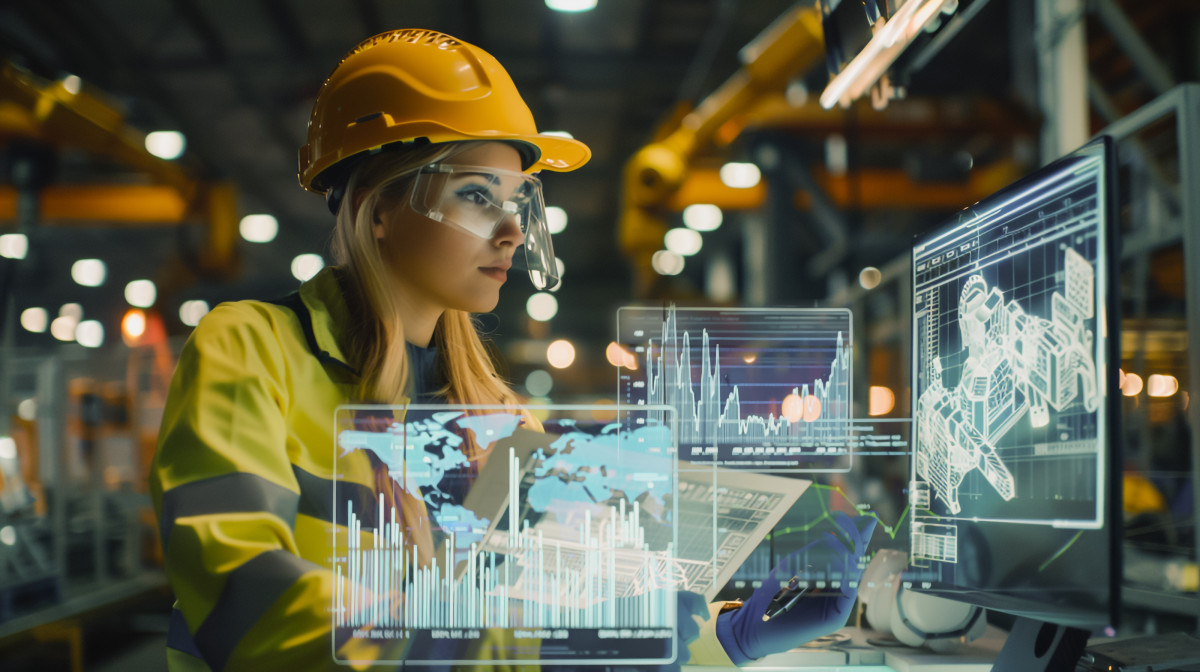
According to Fortune Business Insights, the global augmented reality market is projected to exceed $1.1 trillion by 2030. As demand for technology-driven solutions continues to grow, the tech’s ability to adapt to unique job functions is essential, especially across the manufacturing industry. AI and AR solutions come in various forms, one notable example being Iveda’s vumastAR, an AI vision software designed to make day-to-day tasks easier than ever before. Iveda’s next-generation, customizable AI system is compatible with most smart devices––from smartphones and tablets to IP cameras, augmented reality (AR) glasses, and more––taking human skills and ability to the next level through the power of artificial intelligence.
As the manufacturing industry continues to step into the next industrial revolution, the use cases for AI and AR are proving to be endless given the technology can be trained to recognize almost any task within a controlled environment. Picture this: manufacturing professionals can monitor multiple meter gauges with a product like vumastAR, accurately augmenting the process of identifying abnormalities and greatly reducing manual labor while eliminating human error. These capabilities empower teams to make well-informed decisions swiftly, boosting productivity and accuracy across all levels of the organization, which ultimately impacts revenue streams and customer satisfaction.
Additional Use Cases Include:
- Quality and Maintenance Exams: AI and AR has the power to assist with critical measuring of carcinogenic chemical compound levels, electrical wiring, and welding inspections.
- Factory and Line Work: Fast and accurate machine recognition enables itemized counting, inventory audits, and assembly kitting.
- Supply Chain: Detect defects and anomalies for improved accuracy, increasing the bottom line by actively reducing lost revenue incurred from manual mistakes.
Understanding AI and AR’s Limitations
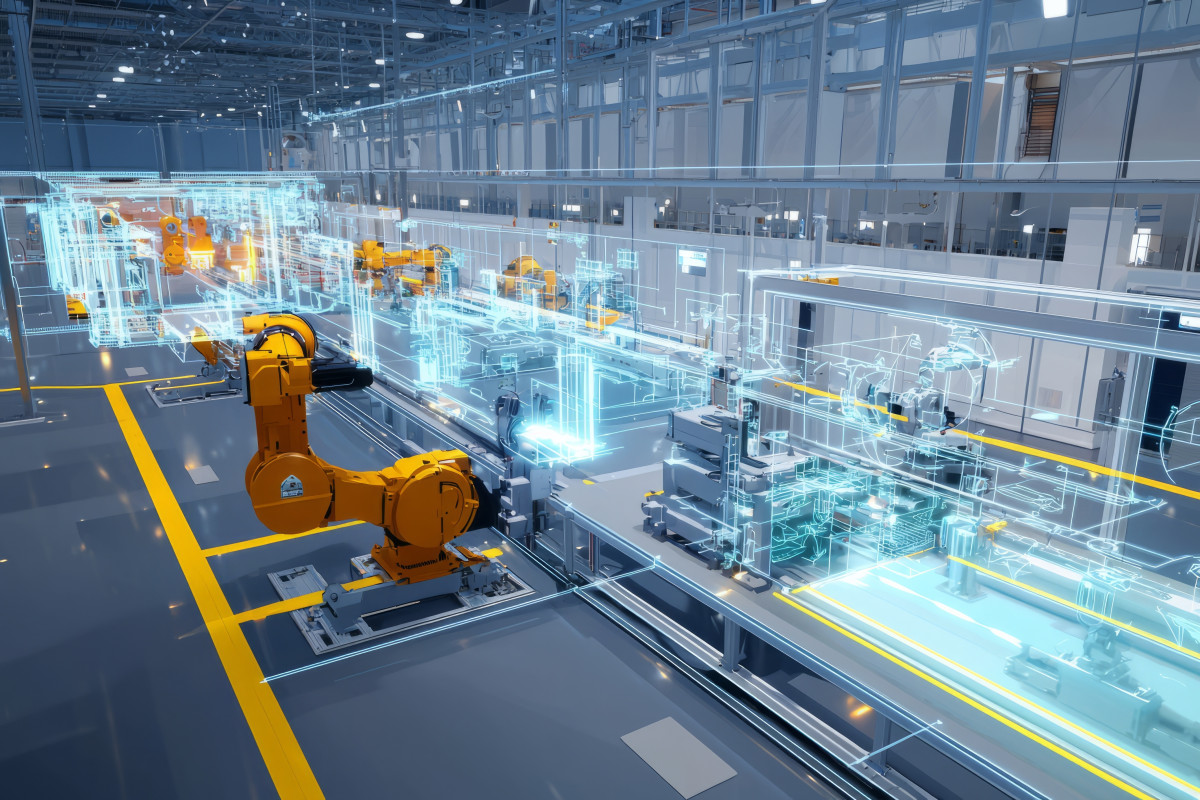
Industrial AI and AR are enabling manufacturers to work in new and innovative ways. However, as with any new solution in the marketplace, there will always be limitations that take time to address and improve. One significant drawback of adopting AR and VR is the time required to train AI to recognize specific items. Like humans, AI needs time to develop and adapt to a particular industry or business in order to meet specific needs. With each use, the products learn from user interactions, ultimately becoming faster and more efficient over time. The secret to developing a robust and efficient AI and AR-powered workflows is to continuously work with the technology and to correct mistakes early and often for maximum return on investment.
The Future is Here, Embrace It
Companies worldwide are harnessing the power of AI and AR to enhance workflows and streamline everyday tasks. Manufacturers considering the integration of AI and AR technology into their workflows should leverage their existing infrastructure to minimize costs and reduce the time required to implement entirely new systems, maximizing the benefits of this emerging technology.
The true value of integrating AI and AR into existing infrastructure lies in the ability to customize these technologies to meet the specific needs of manufacturers—without the need for costly new equipment or infrastructure. The future of AI and AR will be embedded in the systems we already know, offering a sense of familiarity and ease as these technologies enhance everyday operations. In essence, today’s equipment will be upgraded with the innovations of tomorrow.
We stand at a pivotal moment in manufacturing, where rising customer demand for faster turnaround and higher quality necessitates the adoption of these technologies. The fourth industrial revolution is just beginning, and there will be a clear divide between manufacturers who embrace innovation and those who cling to outdated practices. The question is: which side of the coin are you on?
About the Author: David Ly