By Charles Buck, Co-Founder and CTO of SaaS Alerts, finalists in the Best SaaS Security Solution category, and shortlistee for Cloud Security Innovator of the Year at The 2024 Cloud Security Awards. They were also a finalist for ‘Best Security Innovation in a SaaS Product – B2B (Small Business/SME)’ at The 2024 SaaS Awards.
MSPs have always had to juggle a lot: multiple clients, in multiple industries, with hundreds (or thousands) of end users.
Then there are the hackers lurking just around the corner, ready to attack with new, increasingly more sophisticated methods.
But the complexity MSPs have to manage has accelerated in recent years, thanks to the rise of SaaS. Now, every end user maintains potentially dozens of SaaS accounts. And the MSP has to prevent attacks on all of them.
In this complex web of SaaS cybersecurity, there’s no single method or tool to protect clients from breaches. But with the following best practices in place, MSPs can better ward off attacks, protect client data and build a stronger SaaS security foundation.
Proactively Identify Vulnerabilities
When hackers attack, they bank on catching their victims off guard. The more MSPs can prepare for potential cybersecurity breaches, the better they can respond. That’s why regular risk assessments should be a part of every MSP’s cybersecurity strategy.
Every company will have its own potential holes. When MSPs can identify those gaps early, they can fortify them before an attack occurs. For example, MSPs should regularly evaluate access controls within a client’s environment. Who has administrative privileges? (And should that person have them?).
Other important areas to monitor include regulatory standards (is the client at risk of being out of compliance?) and existing security measures (if a user logs in from an unexpected location, will it raise a red flag?).

Build Incident Response Plans – Before Incidents Occur
With each vulnerability, you also need a plan for what to do if a hacker exploits it.
Even if an MSP feels confident in a client’s security environment, there should still be incident plans for every potential hacking scenario. The better you can plan your response to breaches, the less likely they’ll balloon into crises.
According to IBM, an incident response plan should include step-by-step plans for specific attacks, information about staff’s responsibilities, data restoration procedures, which technologies to employ when, a communications plan and directions for documenting what happened.
Everyone on an MSP’s team should know the answer to “What do I do if X happens?” Their role might shift depending on the type of attack. But outlining those responsibilities before a breach can save a lot of headaches and mistakes.
Set Up Access Controls and Policies
Identity access management policies help ensure that only authorized users access an organization’s network or SaaS tools.
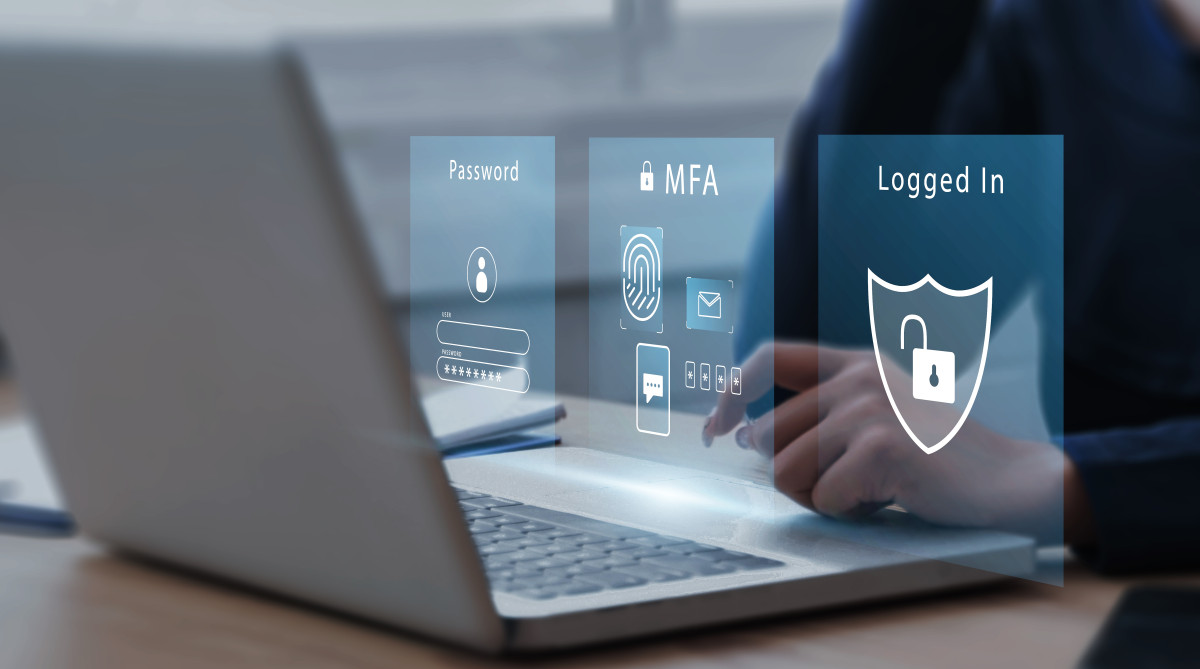
Password guidelines are a good place to start: for example, requiring X number of capital letters or special characters. MSPs should also encourage all end users to set up MFA. Performing this secondary authentication might feel like an inconvenience, but users who employ MFA can block 99.9% of attacks, according to Microsoft.
Education, Education, Education
Human error is still one of MSPs’ biggest headaches. About 88% of all data breaches start with an employee slip-up, according to research from Stanford.
Regular, robust cybersecurity training can help reduce that number. MSPs who skip out on educating their clients do so at their own peril — and they’ll inevitably have to clean up the mess later.
Teach your clients’ employees how to recognize phishing, protect their accounts, handle file-sharing, stay compliant with industry regulations and implement MFA.
The more engaging and tailored you can make those training resources, the better. Employees don’t want yet another dry, impersonal PowerPoint to scroll through. Instead, try an interactive webinar, an in-person lunch-and-learn or even simulated phishing attacks. Some software tools allow you to send fake phishing emails to a group of end users to see who will bite.
Prioritize Data Protection
MSPs won’t be able to stop 100% of attacks. But they can limit the damage if and when those breaches do happen.
At minimum, an MSP’s data protection strategy should include regular backups of critical databases. You can set a schedule for these backups based on the data’s significance (like a hospital’s patient records) and rate of change. For example, if a data set is only updated once a month, daily backups aren’t necessary. How to recover that data after a breach should also be a part of any MSP’s incident response plan.
Finally, it’s important to preemptively identify sensitive data, like health records, bank account information or trade secrets, within a client’s environment. These are especially lucrative to hackers. The breach of this data also poses the greatest risk to businesses (financially, reputationally and otherwise). Cloud-based data security tools, like Microsoft Purview DLP, can help manage and protect this critical data.
Monitor User Behavior
The worst thing an MSP can do is fly blind. Because less visibility leads to less protection.
MSPs should monitor end user behavior and be able to identify unusual behavior, like anomalies with logins, access patterns or upload/download volume.
But they should also keep an eye on normal behavior. When that baseline is established, those anomalies will be even more glaring.
With proactive, timely monitoring of user behavior, MSPs can stop attacks before they escalate to significant data loss or financial theft.
Stay Up-to-Date on the Cybersecurity Landscape
Hackers evolve their strategies constantly. From ransomware and token harvesting to Phishing as a Service (PhaaS) schemes and IP address localization, there’s always something new on the horizon.
When MSPs stay on top of cybersecurity developments, they can better prepare for when new types of attacks arrive at their clients’ doors.
Subscribe to trusted cybersecurity blogs and newsletters. For example, you can sign up for regular email alerts from the FBI about recent attack trends and how to avoid them. You can also attend cybersecurity conferences, webinars or trainings.
Additionally, talking with other MSPs about what they’ve seen lately is helpful. Like you, they’re on the front lines of SaaS cybersecurity and will often have helpful tips you can integrate into your business.
In the end, none of these strategies guarantee a breach-free future. SaaS security is a whole new world for IT professionals, and it’s filled with risk.
But with a few core best practices in place, MSPs can mitigate that risk, prevent attacks, limit data theft and build a more secure future.

About the Author: Charles Buck