

Who should enter the ‘AI for Good’ category?
The “AI for Good” award celebrates initiatives that leverage artificial intelligence (AI) technologies to address pressing environmental, social, and humanitarian challenges and contribute to positive societal impact.
As the world grapples with complex environmental and social challenges, AI has emerged as a powerful tool for addressing these issues and driving meaningful progress toward sustainability, equity, and social justice.
By harnessing the capabilities of machine learning, data analytics, and predictive modeling, AI enables organizations and policymakers to gain insights, make informed decisions, and implement targeted interventions to address critical environmental and social issues.
From conservation and disaster response to healthcare and education, AI has the potential to revolutionize how we approach some of the most pressing challenges facing humanity.

Example Use Cases
There are several ways that AI has been used within processes or industries for the general betterment of humanity, or the environment. Here are some examples:

Cloud AI can analyze vast amounts of data from satellite images, weather stations, and IoT sensors to monitor environmental changes and biodiversity.
Detection of deforestation, tracking wildlife populations, and predicting natural disasters like floods and wildfires. This enables timely interventions and effective conservation strategies. Forecasting climate change impacts, aiding policymakers in developing sustainable practices.
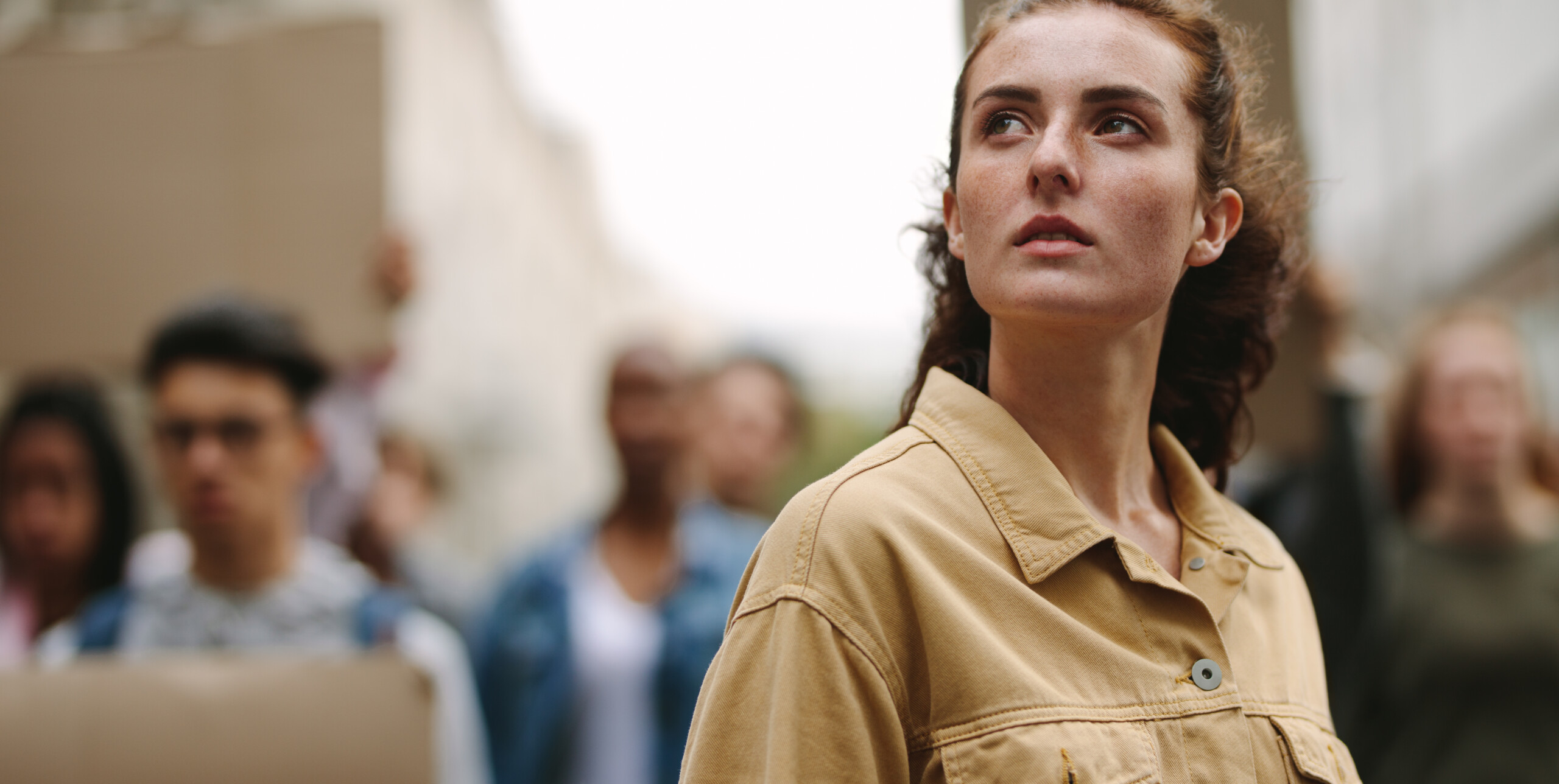
Cloud AI can support human rights and social justice initiatives by analyzing data to uncover patterns of discrimination, abuse, and inequality. Processing of large datasets from social media, public records, and news sources to identify and document human rights violations.
AI-driven tools can provide legal assistance and support to marginalized communities, ensuring they have access to justice and representation.

AI-powered systems can analyze real-time data from social media, news reports, and emergency calls to map affected areas and assess damage.
Optimization of supply chain logistics, ensuring that food, water, and medical supplies are distributed effectively. AI-driven predictive models can forecast disaster risks, enabling better preparedness and reducing the overall impact on communities.
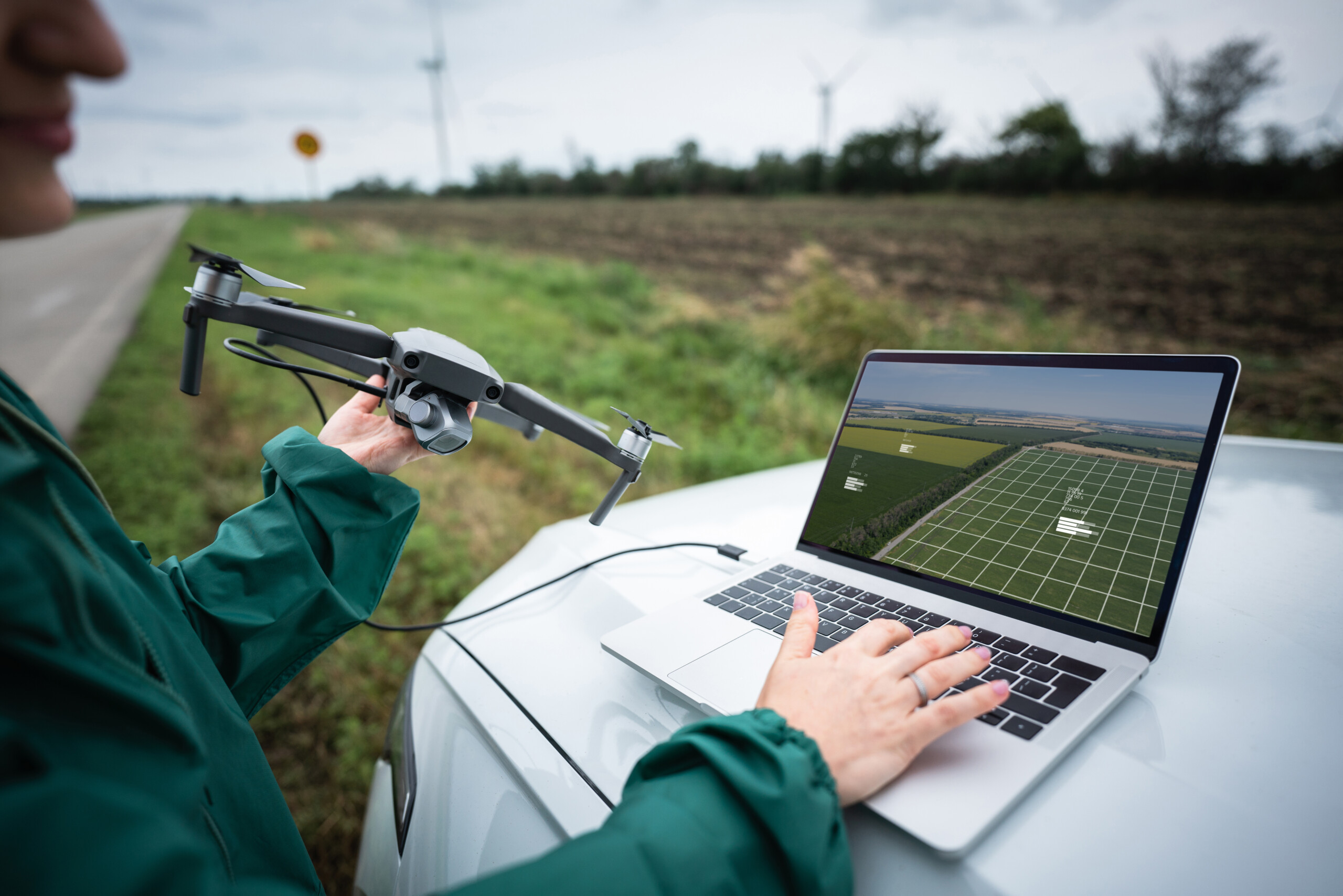
AI algorithms can analyze data from sensors, drones, and satellite imagery to monitor crop health, soil conditions, and weather patterns.
Helps farmers make data-driven decisions about irrigation, fertilization, and pest control, leading to higher yields and reduced environmental impact. AI can also predict crop failures and market trends, allowing farmers to plan and respond proactively.

Cloud AI can transform education by providing personalized learning experiences and making education more accessible. AI-powered platforms can assess individual learning styles, strengths, and weaknesses, and tailor educational content accordingly.
AI can assist in developing adaptive learning technologies that offer real-time feedback and support to students.
Hall of Fame: Previous Winners


Areas to Highlight in Your Submission
Judges score nominations across these five key areas:
Although not formally scored, focus on these areas specific to this category, can help your nomination stand out:
More A.I. Awards Categories
Next Steps to Enter The A.I. Awards
To enter this AI Awards category, or any other category in The AI Awards, please follow these three simple steps:
The A.I. Awards is a program from The Cloud Awards. Since 2011, we’ve been helping organizations across the globe gain the recognition they deserve for market-leading innovation in the cloud computing and software sectors.
For a detailed breakdown of all the benefits you receive as an awards entrant as either a shortlistee, finalist or ultimate winner, please see our “Why Enter?” page. The many benefits are replicated across all international awards programs. If you have any questions about this category, please contact us.