

Who should enter the ‘Best Consideration of Ethics and Governance in AI’ category?
The “Best Consideration of Ethics and Governance in AI” award recognizes organizations that demonstrate exemplary commitment to ethical principles and governance frameworks in the development, deployment, and use of artificial intelligence (AI) technologies.
Ethics and governance are paramount in the field of AI development to mitigate potential risks, address societal concerns, and foster trust and accountability. AI technologies have the potential to impact individuals, communities, and societies at large in profound ways, ranging from employment opportunities and healthcare outcomes to privacy rights and social equity.
It is essential for organizations to prioritize ethical considerations and establish governance frameworks that promote fairness, transparency, accountability, and inclusivity throughout the AI lifecycle.
Entrants into this category should be able to demonstrate leadership and excellence in integrating ethical considerations and governance principles into all stages of the AI lifecycle, from design and development to deployment and evaluation.

Example Use Cases
There are several areas where consideration of ethics and governance in AI could be demonstrated. Here are a few examples:

Ethical AI development requires transparency and explainability to enable stakeholders to understand how AI systems make decisions. Assessment of its reliability and accuracy, and holding developers and users accountable for their outcomes.
Prioritizing transparency by providing clear explanations of AI models, their underlying assumptions, and the data sources used to train them.

Establishing mechanisms for accountability and oversight to hold developers, deployers, and users of AI systems responsible for their actions and decisions.
Prioritizing accountability by implementing clear governance structures and defining roles and responsibilities. Establishing mechanisms for monitoring, auditing, and enforcing compliance with ethical guidelines and regulatory requirements.

Involves ensuring fairness and mitigating biases in AI algorithms and models to prevent discriminatory outcomes and ensure equitable treatment for all individuals.
Prioritizing fairness by identifying and addressing biases in training data, algorithms, and decision-making processes. Minimizing the risk of perpetuating existing inequalities.

The set up of monitoring systems that track the performance and impact of AI applications in real-time. Establish mechanisms for ongoing evaluation and iteration based on user feedback and observed outcomes.
The environment in which AI operates can change, as can the data it processes. Continuous evaluation allows AI systems to adapt to new conditions and remain effective and relevant.
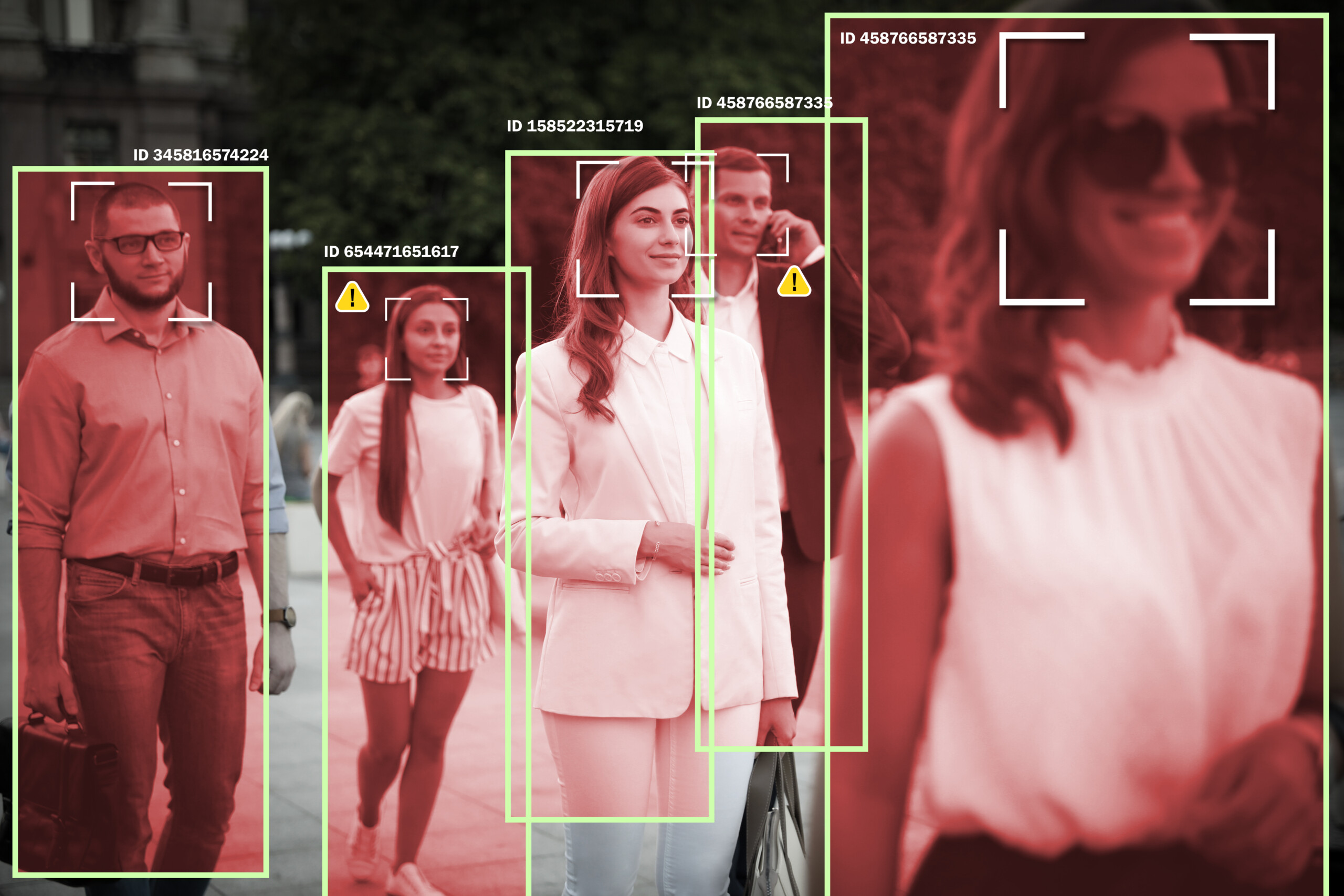
Involves respecting individuals’ privacy rights and protecting their personal data from unauthorized access, misuse, or exploitation.
Prioritizing privacy by implementing robust data protection measures, obtaining informed consent from users, and adhering to relevant privacy regulations and standards. Ensuring the ethical handling of sensitive information.
Hall of Fame: Previous Winners


Areas to Highlight in Your Submission
Judges score nominations across these five key areas:
Although not formally scored, focus on these areas specific to this category, can help your nomination stand out:
More A.I. Awards Categories
Next Steps to Enter The A.I. Awards
To enter this AI Awards category, or any other category in The AI Awards, please follow these three simple steps:
The A.I. Awards is a program from The Cloud Awards. Since 2011, we’ve been helping organizations across the globe gain the recognition they deserve for market-leading innovation in the cloud computing and software sectors.
For a detailed breakdown of all the benefits you receive as an awards entrant as either a shortlistee, finalist or ultimate winner, please see our “Why Enter?” page. The many benefits are replicated across all international awards programs. If you have any questions about this category, please contact us.