By Bob Cain, Business Unit Leader, BuildTools and Bolt, Residential Construction Division, ECI Software Solutions. ECI Software Solutions’ ‘Bolt‘ service won the ‘Best SaaS Product for Business Management‘ category at The 2024 SaaS Awards. Bolt was also a finalist in the ‘Best SaaS for Improved Productivity‘ and ‘Best SaaS Product for Small Business / SMEs‘ categories. Both Bolt and another ECI Software Solutions service – BuildTools – were shortlisted for ‘Best SaaS Product for the Construction Industry’ in the same program.
The residential construction industry is experiencing a period of rapid evolution, influenced by technological advancements, shifting consumer preferences, and a growing emphasis on sustainability.
This article explores the current trends shaping the industry and offers predictions for its future trajectory. As builders, remodelers, developers, and trade contractors navigate this changing landscape, staying informed and adaptable is crucial for success.
Current Trends in Residential Construction
Sustainability and Green Building
The push towards sustainability is a dominant trend in residential construction. Homebuyers are increasingly aware of their environmental footprint and demand energy-efficient homes that reduce utility costs and promote a healthier living environment.
- Energy-efficient homes: Incorporation of solar panels, energy-efficient windows, and insulation techniques to reduce energy consumption.
- Sustainable materials: Use of recycled and locally sourced materials to minimize environmental impact.
- Green certifications: Growing popularity of certifications such as LEED (Leadership in Energy and Environmental Design) that validate a home’s eco-friendly credentials.
The benefit of energy-efficient homes is reducing energy consumption, leading to lower utility bills for homeowners. The use of sustainable materials minimizes environmental impact, and green certifications can enhance property value.
Sustainable building practices contribute to environmental preservation and meet the growing consumer demand for eco-friendly homes. This trend is crucial for the industry’s long-term viability and regulatory compliance.

Technology Integration
Technological advancements are transforming how residential construction projects are planned, executed, and managed.
- Smart home technology: Integration of devices such as smart thermostats, security systems, and lighting that can be controlled remotely.
- SaaS construction management software: Tools that enhance project management efficiency, from scheduling, budget tracking, and warranty.
- Building information modeling (BIM): A digital representation of the physical and functional characteristics of a structure, allowing for better planning and collaboration among stakeholders.
Smart home technology improves convenience and energy management for homeowners. Construction management software enhances project efficiency and accuracy. BIM fosters better collaboration and reduces errors during construction.
Embracing technology helps construction companies stay competitive, improve productivity, and deliver higher-quality projects. It also meets consumer expectations for modern, tech-enabled homes.
Design Trends
Consumer preferences are driving changes in home design, with a focus on functionality and aesthetics.
- Architectural styles: Modern farmhouse, minimalist, and mid-century modern designs are particularly popular.
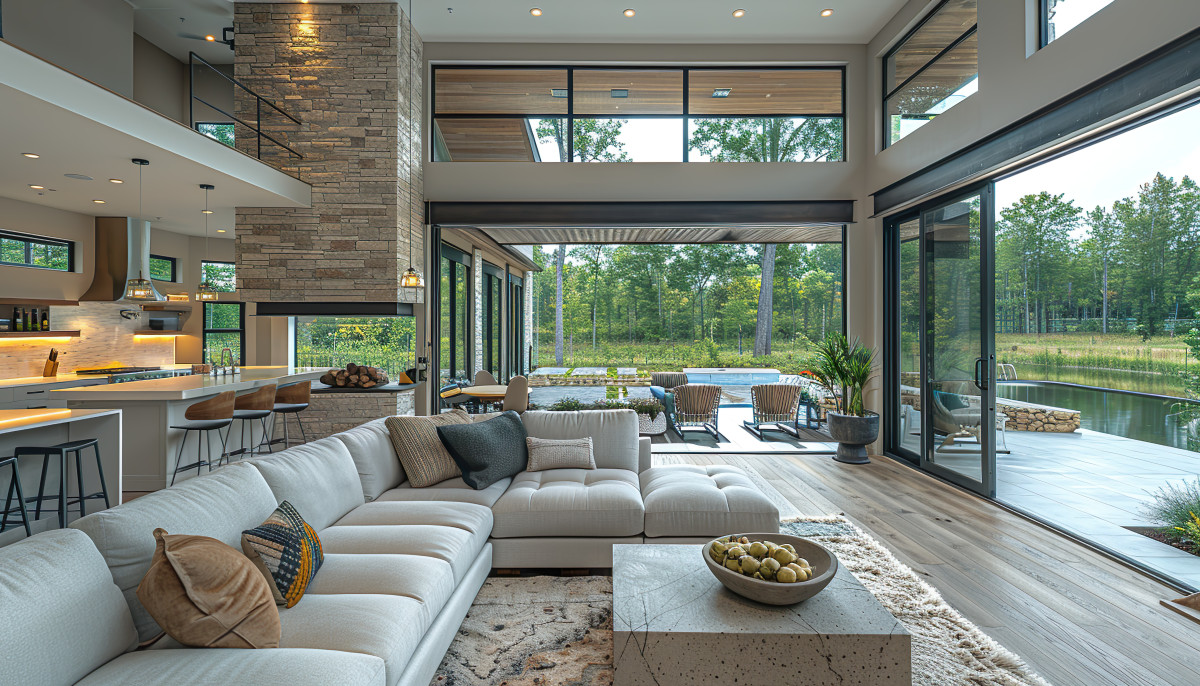
- Open floor plans: Demand for open, airy spaces that enhance connectivity within the home.
- Outdoor living areas: Increasing incorporation of patios, decks, and gardens that extend the living space outdoors.
Modern architectural styles appeal to contemporary tastes, potentially increasing property value. Open floor plans create versatile living spaces that suit various needs. Outdoor living areas enhance lifestyle quality and expand usable space.
Keeping up with design trends ensures that new homes meet market demand and provide long-term satisfaction for homeowners. It also helps builders stay relevant and attractive to potential buyers.
Predictions for the Future
Increased Adoption of Prefabrication and Modular Construction
Prefabrication and modular construction are gaining traction as efficient and cost-effective building methods.
- Cost savings: Reduced labor costs and waste, as components are manufactured in controlled environments.
- Speed: Faster construction timelines due to simultaneous on-site preparation and off-site manufacturing.
- Market impact: Expected growth in the market share of modular homes as consumer acceptance rises.
These methods reduce labor costs, minimize material waste, and significantly shorten construction timelines. They also allow for high-quality control as components are manufactured in controlled environments.
The ability to deliver homes faster and more affordably addresses housing shortages and affordability issues. It also aligns with sustainability goals by reducing waste and resource consumption.
Advancements in Construction Technology
Technology will continue to revolutionize the construction industry, with significant advancements on the horizon.
- Artificial intelligence and machine learning: AI-driven tools for predictive analytics in project management and risk mitigation.
- Drones and robotics: Use of drones for site surveys and inspections, and robotics for tasks such as bricklaying and concrete pouring.
- 3D printing: Potential for 3D-printed homes to provide affordable housing solutions quickly and sustainably.
AI and machine learning improve project management and risk assessment, leading to more successful projects. Drones and robotics enhance site safety and efficiency. 3D printing can provide innovative solutions for affordable and custom-built homes.
Technological advancements are essential for improving efficiency, reducing costs, and staying competitive. They also open new possibilities for design and construction, pushing the industry forward.

Cloud Technology and Cloud Security for SaaS Products
Cloud technology is becoming increasingly integral to residential construction, offering various benefits through SaaS (Software as a Service) products. Cloud-based SaaS solutions can easily scale to meet the growing needs of construction projects, accommodating everything from small-scale renovations to large developments.
Cloud platforms provide access to project data and management tools from anywhere, enhancing collaboration among team members, regardless of their physical location. SaaS products typically operate on a subscription basis, reducing the need for significant upfront investment in software infrastructure. This can lead to cost savings and better budget management.
Cloud solutions offer real-time updates and synchronization, ensuring that all stakeholders have the most current information, which is crucial for timely decision-making and project adjustments.
The adoption of cloud technology enhances operational efficiency, improves project management, and supports better communication and collaboration across teams. This is essential for meeting the demands of increasingly complex construction projects. As the reliance on cloud technology grows, ensuring robust cloud security becomes paramount.
- Data protection: Advanced encryption methods and secure access protocols protect sensitive project data from unauthorized access and cyber threats.
- Compliance: Cloud providers often offer services that help construction firms comply with industry regulations and standards for data protection and privacy.
- Disaster recovery: Cloud-based systems provide reliable backup and disaster recovery options, ensuring that critical project data is not lost and can be quickly restored in case of an incident.
With the increasing amount of data generated and shared in construction projects, securing this information is crucial to maintaining client trust and protecting intellectual property. Robust cloud security measures are essential to safeguard against data breaches and ensure the continuity of operations.
Evolving Consumer Preferences
The future of residential construction will be shaped by changing consumer demands.
- Personalization: Homebuyers seeking personalized and customizable home features to suit their lifestyle and preferences.
- Wellness-centric designs: Homes designed with health and wellness in mind, incorporating features like enhanced ventilation systems, natural lighting, and non-toxic materials.
- Remote work influence: Increased demand for home offices and flexible spaces as remote work becomes more prevalent.
Personalized and customizable home features increase homeowner satisfaction and property value. Wellness-centric designs promote healthier living environments. Home office designs accommodate remote work trends, enhancing functionality.
Addressing evolving preferences is key to attracting buyers and meeting their needs. It also helps builders differentiate their offerings and stay relevant in a competitive market.

Operational Challenges and Industry Issues
Labor Shortages and Skill Gaps
The construction industry faces a significant challenge in attracting and retaining skilled labor.
- Impact: Labor shortages lead to project delays and increased costs.
- Strategies: Companies are investing in apprenticeship programs, partnerships with trade schools, and offering competitive wages and benefits.
- Training and development: Emphasis on continuous training to upskill workers and adapt to new technologies and methods.
Addressing labor shortages ensures timely project completion and maintains high standards of quality. Attracting skilled workers improves overall project efficiency and innovation.
Resolving labor issues is critical for sustaining industry growth and meeting increasing demand. It also helps maintain a strong reputation and client satisfaction.
Supply Chain Disruptions
Global events and market fluctuations have highlighted the vulnerabilities in construction supply chains.
- Causes: Material shortages, transportation delays, and geopolitical tensions.
- Mitigation strategies: Diversifying suppliers, local sourcing of materials, and maintaining higher inventory levels.
- Technology solutions: Implementing supply chain management software to improve visibility and responsiveness.
Diversifying suppliers and local sourcing can reduce dependence on volatile global supply chains. Improved supply chain management enhances project predictability and reduces delays.
Mitigating supply chain risks is essential for maintaining project timelines and budgets. It also helps construction firms manage costs and deliver consistent quality.
Regulatory and Compliance Challenges
Navigating the complex landscape of building codes and regulations is a persistent challenge.
- Building codes and zoning laws: Ensuring compliance with evolving local, state, and federal regulations.
- Impact of new regulations: Staying ahead of changes that affect construction practices, such as energy efficiency standards and safety regulations.
- Staying informed: Engaging with industry associations and legal experts to keep abreast of regulatory changes.
Staying compliant with regulations avoids legal issues and potential fines. It also ensures safety and quality standards are met, protecting both the company and the homeowners.
Compliance is critical for maintaining a good reputation and avoiding costly setbacks. It also ensures that homes meet the required standards for safety and sustainability.
Meeting Client Needs with Unique Service Offerings
Customized Construction Solutions
Meeting client needs with tailored construction solutions is essential for competitive differentiation.
- Tailored projects: Customizing home designs and features to meet specific client requirements and preferences.
- Client communication: Maintaining transparent and regular communication with clients throughout the project lifecycle.
- Engagement: Using virtual reality (VR) and augmented reality (AR) to help clients visualize their projects before construction begins.
Customized projects increase client satisfaction and can lead to repeat business and referrals. Effective communication builds trust and ensures that the final product meets client expectations.
Providing tailored solutions helps differentiate a company in a crowded market and builds long-term client relationships. It also enhances the overall project experience for homeowners.
Innovative Financing Options
Financial accessibility is a critical factor for many homebuyers.
- Trends in financing: Development of new mortgage products and construction financing options to make homeownership more accessible.
- Impact on homeownership: Flexible financing options that reduce the barriers to entry for first-time homebuyers.
Innovative financing options make homeownership more attainable, especially for first-time buyers. Flexible mortgage products can attract a wider range of clients and drive sales.
Offering diverse financing solutions can expand the market and increase home sales. It also addresses affordability concerns, a significant barrier for many potential buyers.
Sustainable and Resilient Building Practices
Offering sustainable and resilient construction options is increasingly important.
- Eco-friendly options: Providing green building solutions that promote energy efficiency and reduce environmental impact.
- Disaster-resilient homes: Building homes designed to withstand natural disasters, such as hurricanes and earthquakes, using advanced materials and construction techniques.
- Client education: Educating clients on the long-term benefits and cost savings of sustainable and resilient building practices.
Eco-friendly building practices reduce environmental impact and can lower long-term costs for homeowners. Resilient construction techniques protect homes from natural disasters, enhancing safety and durability.
Providing sustainable and resilient homes meets consumer demand and regulatory requirements. It also contributes to the long-term sustainability of the construction industry and builds a positive brand image.
Conclusion
The residential construction industry is on the cusp of significant transformation, driven by technological innovation, evolving consumer demands, and a heightened focus on sustainability. By staying ahead of these trends and addressing the operational challenges, industry players can position themselves for long-term success. The future of residential construction is bright, with ample opportunities for those willing to adapt and innovate.
About the Author: Bob Cain