By Dave Bent, SVP Operations, eCommerce Division at ECI Software Solutions. ECI Software Solution’s EvolutionX platform was shortlisted in the ‘Best SaaS Product for eCommerce / eShops‘ category at The 2024 SaaS Awards.
eCommerce platforms offer a wide range of tools to empower customer service teams and elevate the overall customer experience.
81% of consumers say their loyalty to a brand is directly influenced by the quality of customer service they receive; 73% are likely to abandon a brand after just one poor experience. This practical guide presents seven innovative ways that ecommerce platforms can significantly enhance customer service beyond online purchasing. By using the many tools available in an ecommerce platform, businesses can personalize interactions, anticipate customer needs and resolve issues quickly, transforming customer service from a mere transaction into a strategic asset that drives sustained business growth and customer retention.
1) Accessing Product Information
Accurate and comprehensive product details are the cornerstone of customer satisfaction. They enable customers to make informed decisions and significantly reduce the volume of service inquiries, thereby relieving your customer service team of unnecessary workload and allowing them to focus on more strategic tasks. By providing detailed and precise information about your products, you foster trust and confidence among your customers, ultimately improving their overall experience with your brand.
- FAQs: Ensuring your Frequently Asked Questions section is detailed and covers the most common queries can drastically reduce the number of basic questions directed at your customer service team, freeing them up for other tasks.
- Interactive Guides: Creating and maintaining clear, easy-to-follow guides or tutorials can help customers troubleshoot or set up products independently, reducing the need for direct support and enhancing the customer experience.
- Digital Catalogs: Developing a digital catalog with detailed product pages, including images, specifications, usage instructions and customer reviews, ensures customers can always access the latest information about your product.
- Enhanced Customer Assistance: For inquiries beyond the provided information, offering live chat support with trained agents can effectively guide customers through product details, providing personalized assistance when needed. Suggesting related products or upselling items based on customer interests can enhance the shopping experience and boost sales. Using AI-driven chatbots to handle a large volume of basic queries in real time can provide instant answers to common questions, reducing human intervention and saving time and labor costs.

2) Checking Stock Availability
Real-time stock availability checks are crucial for enhancing customer trust and minimizing the risk of overselling or backordering. Retailers are potentially missing out on nearly $1 trillion in sales annually due to out-of-stock items, with 39% of consumers abandoning purchases because the items they wanted were out of stock and many customers preferring to switch to other retailers rather than wait for restocks. By providing up-to-the-minute information on product availability, businesses can reduce customer disappointment due to out-of-stock items.
- Real-time Stock Tracking: An inventory management system ensures that stock levels are always current and accurately reflected on the site, preventing customer frustration.
- Notification Systems: To create a sense of urgency in the customer’s purchase decision, set up alerts for when a product is back in stock and integrate tools that notify customers when a product’s stock is running low.
- Guidance When Items are Out of Stock: To help customers navigate better, suggest alternative items for products that are out of stock or move them to the bottom of search results pages.
3) Placing Orders
A seamless ordering experience is pivotal in driving sales and instilling customer confidence throughout the purchasing process. For example, customers who use one-click purchasing tend to spend more, increasing their spending by an average of 28.5% and raising their purchase frequency by 43% over a 15-month period; they also visit a website more frequently and spend more time on it. By offering intuitive navigation, clear product information and fast checkout processes, eCommerce platforms can enhance user satisfaction and encourage repeat business.
- Clear CTA Buttons: Prominent call-to-action buttons such as ‘Proceed to Checkout’ and ‘Continue Shopping’ guide customers smoothly through the purchase process.
- One-Click Purchases: For returning customers, offer a one-click purchase option by securely storing their payment details. This will minimize friction and speed up repeat purchases, making the buying process more convenient for your customers.
- Saving Customer Preferences: Beyond saving payment methods and shipping addresses, consider saving customer preferences on product specifications, previously browsed categories, or favorite brands. This personalization enhances the buying experience, making order placement faster and more tailored.

4) Tracking Orders
Efficient order tracking is essential to providing transparency and enhancing customer trust and satisfaction after a purchase. By offering real-time updates and clear visibility into order status, eCommerce platforms empower customers with the information they need to feel confident about their purchases. This proactive approach not only reduces customer inquiries but also strengthens the overall shopping experience.
- Integrated Tracking System: Connecting with fulfillment partners for automatic updates and leveraging proof-of-delivery software can provide real-time updates that are accessible to both customer support and customers.
- Notification System: Set up alerts to update customers at each stage of the delivery process, ensuring they are informed and reassured about their order status.
- Assisting with Tracking Issues: Ensure accurate tracking numbers are provided and communicate with the shipping carrier about any discrepancies. Offer alternative solutions, like estimated delivery timeframes, when necessary.
5) Handling Returns
Ensuring a seamless return experience demonstrates a dedication to customer satisfaction. In fact, 43% of consumers are willing to pay more for greater convenience in the purchasing process. A hassle-free return policy reflects an understanding of customer needs and preferences and is a strategic advantage over competitors. Ultimately, prioritizing customer satisfaction through easy returns strengthens long-term relationships and supports sustained business growth.
- Transparent Return Policy: Clearly outline return periods, conditions, and responsibilities for return shipping fees to ensure customers are fully informed.
- Digital Return Process: Allow customers to initiate and track returns online and provide pre-printed return labels or in-platform printing options for convenience.
- Reduce Return Friction: Respond promptly to return-related queries and offer exchanges or store credits as alternatives to refunds to maintain customer satisfaction.

6) Responding to Customer Inquiries
Prompt and accurate responses to customer inquiries are vital for building a reputation of reliability and dedication to your customers. Consistently delivering prompt resolutions and helpful information satisfies immediate customer needs and cultivates long-term loyalty.
- Implementing a Query System: Maintain an extensive FAQ section and deploy AI-driven chatbots to provide real-time answers to customer questions. Use a ticket system for more detailed issues, ensuring no query goes unanswered.
- Ensure Quality Responses: Make sure customer service responses are empathetic, clear, and polite, aiming to resolve issues on the first contact whenever possible.
7) Enabling Self-Service
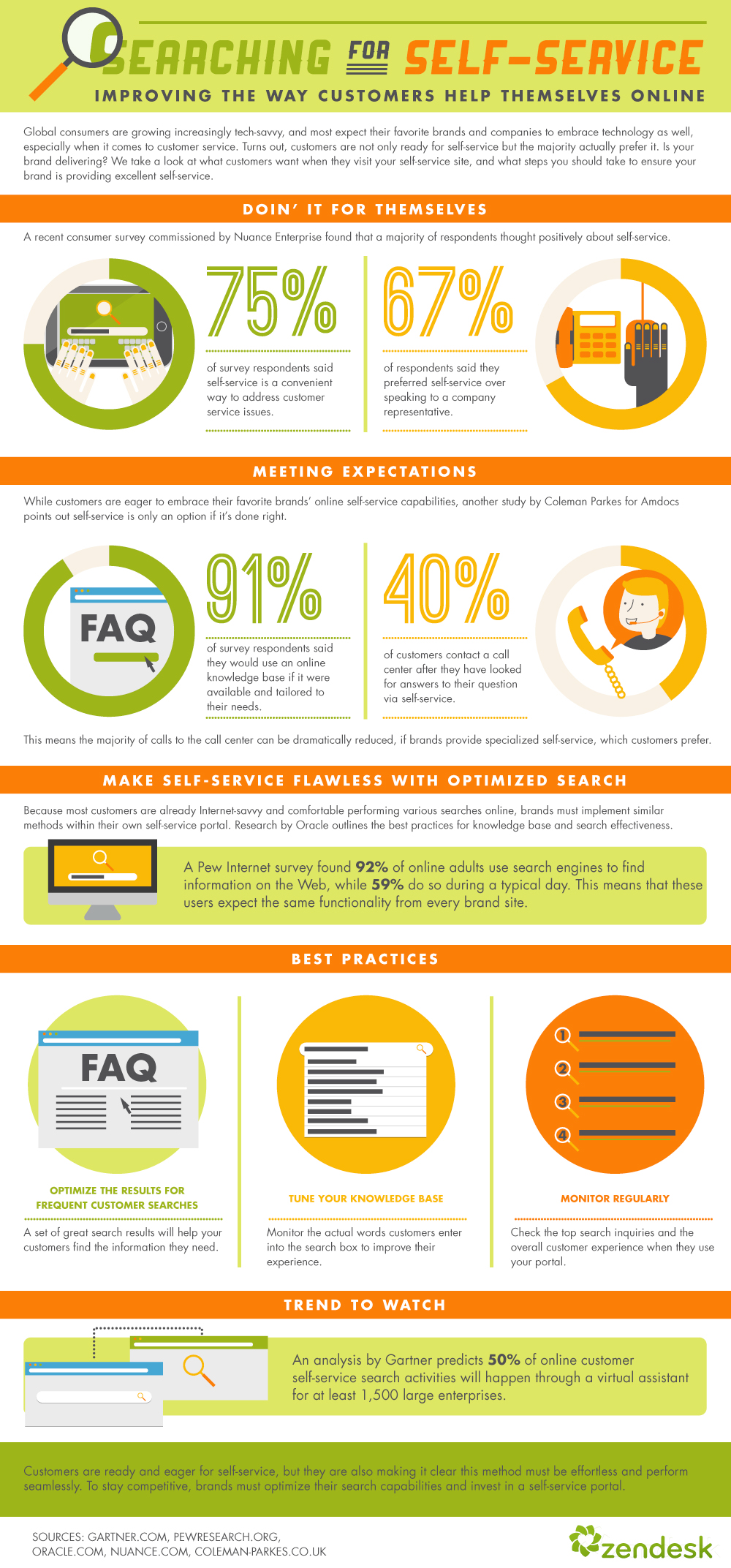
Providing resources that allow customers to accomplish tasks independently enhances the overall shopping experience. 67% of consumers say they prefer self-service over speaking to a company representative. Empowering users with self-service capabilities reduces dependency on customer support, increases convenience and efficiency, and elevates your brand’s reputation as responsive and customer focused. It also can save money – self-service interactions cost about 10 cents each, compared to $8 each for an interaction by phone, live chat or email.
- Self-updating Account Information: Allow customers to manage their shipping addresses, payment methods, and contact information through a user-friendly portal.
- Viewing and Paying Invoices: Make sure customers can view and pay invoices from a single portal, offering a central location for research, shopping and payment.
- Setting up Approval Workflows: Enable customers to set up approval workflows for orders, giving purchasing agents and CFOs a view of requested orders from their dashboard. These controls help customers prevent unauthorized spending.
Conclusion
Effectively using eCommerce platforms goes beyond merely facilitating sales; it encompasses creating a seamless and satisfying customer experience from product discovery to post-purchase support. Prioritizing clear communication, efficient processes and integrated tools is essential for fostering positive customer relationships. Businesses implementing these best practices can significantly enhance their customer service experience and successfully differentiate themselves in today’s highly competitive business landscape.

About the Author: Dave Bent