National STEM Day 2024 – 8 November
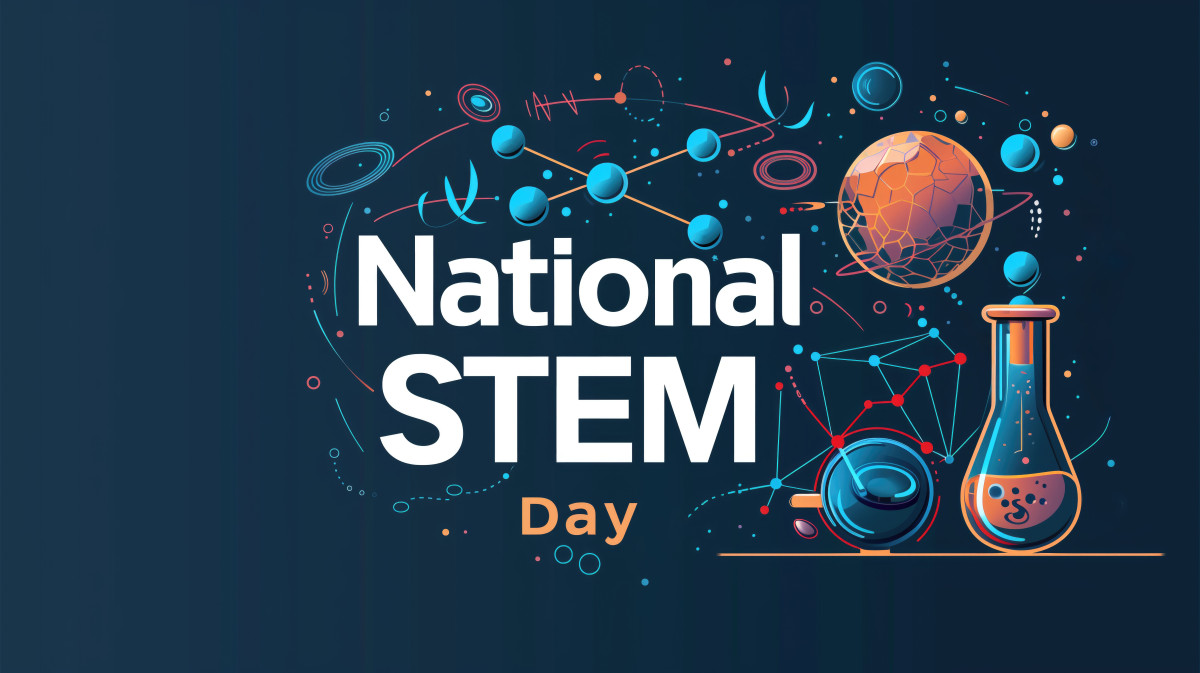
The 8th November marks National STEM Day. Created in 2015 by US toy manufacturer MGA Entertainment, the day falls on 8 November annually (‘Nov8’ acting as a play on the word ‘innovate’) to inspire young people to engage and pursue STEM (Science, Technology, Engineering, Mathematics) subjects.
Celebrating STEM is extremely important to us at The Cloud Awards for several reasons, not least that those inspired by STEM activities today will be tomorrow’s innovators, and potentially award winners! Indeed our very own Head Judge & Technical Director, Annabelle Whittall, is an active ambassador for STEM, particularly in recognition that women and minorities have historically been underrepresented in this area.
In our 2023/24 Market Report, a skills shortage was cited as the fourth most prominent issue facing the cloud computing industry, and 28% of respondents included it as one of the three biggest blockers to adoption of cloud/SaaS technologies. The American Library Association notes that STEM occupations account for approximately 7% of jobs in the United States, and expected to grow, which should prove a long term boon to the cloud computing industry. That said, promotion of STEM activities and pursuits at ‘grassroots’ level is still essential in driving continued improvement in this area.
At The Cloud Awards we see a remarkable range of organizations harnessing cloud computing, SaaS, and AI to solve a surprisingly and increasingly diverse set of problems, across several industries. While STEM jobs within fields such as cybersecurity, robotics and engineering have obvious correlations, our eye is often caught by the less obvious applications.
Organizations of all sizes across most sectors are looking at ways of incorporating AI into their business operations in some way. However many lack the technical expertise within their own business to help realize these ambitions and take advantage of the new technologies on offer. The result is an increasing demand for individuals with STEM skills within industries that you would not typically associate with STEM.
To mark the occasion of National STEM Day this year, in this article we’re going to take a closer look at some of these industries less often thought of for STEM skills – spotlighting the kinds of innovations and initiatives that are driving the increasing demand for STEM skills within these sectors.
Fashion
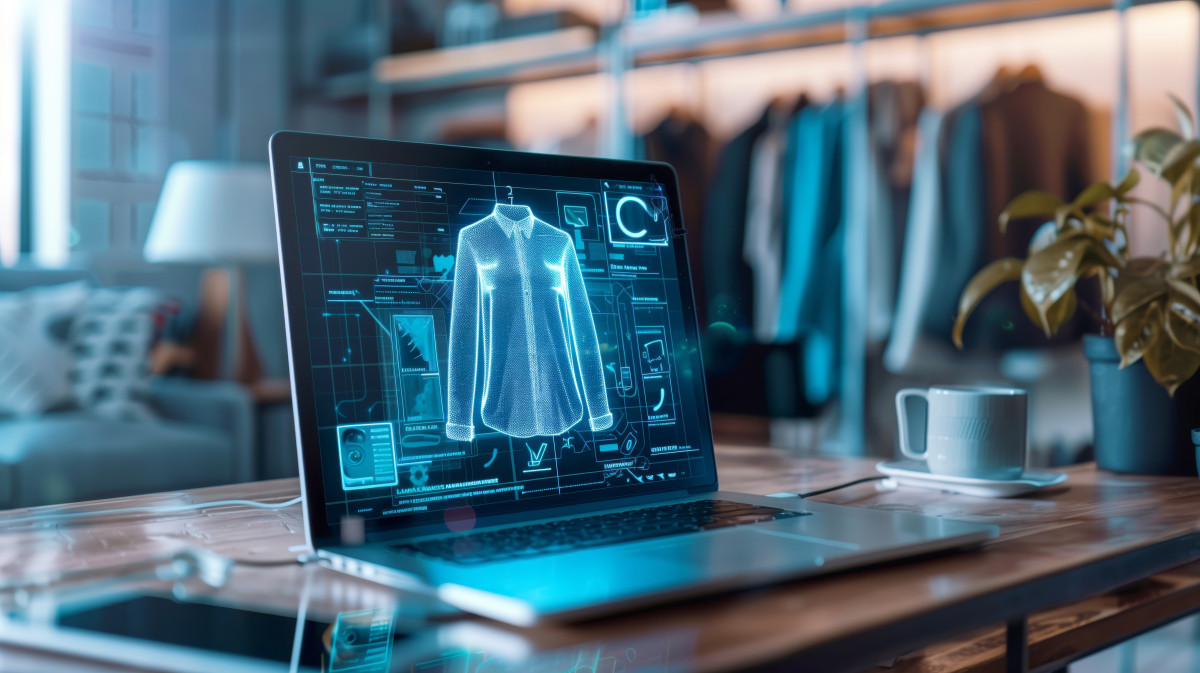
In an industry typically thought of as one driven by creativity and craftsmanship, greater focus on environmental sustainability is the principal driving force behind increasing incorporation of STEM skills within fashion.
Consumers are more aware of the environmental impact of fast fashion, and brands are under pressure to adopt eco-friendly practices. The shift has driven a demand for textile engineers and materials scientists who can develop sustainable fabrics and innovate in textile recycling. Bioengineers are also developing new materials, such as lab-grown leather and biodegradable fibres from algae or mushrooms, for some of the world’s largest fashion brands. These vegan alternatives reduce dependence on animal products and synthetic materials that harm the environment, aligning with consumer preferences for ethical and sustainable fashion.
In manufacturing and production process, STEM professionals are enabling brands to adopt automation and smart manufacturing practices. Engineers and robotics specialists work on automated sewing, pattern cutting, and quality control processes, having a knock-on effect on streamlining production lines and reducing labor costs.
3D printing is also being used to create clothing and accessories in unique shapes and designs that would be difficult to produce using traditional methods. These innovations are not only reducing waste by minimizing overproduction but are also allowing for greater design flexibility – tightening the growing relationship between technology and creativity.
Law and Legal Services
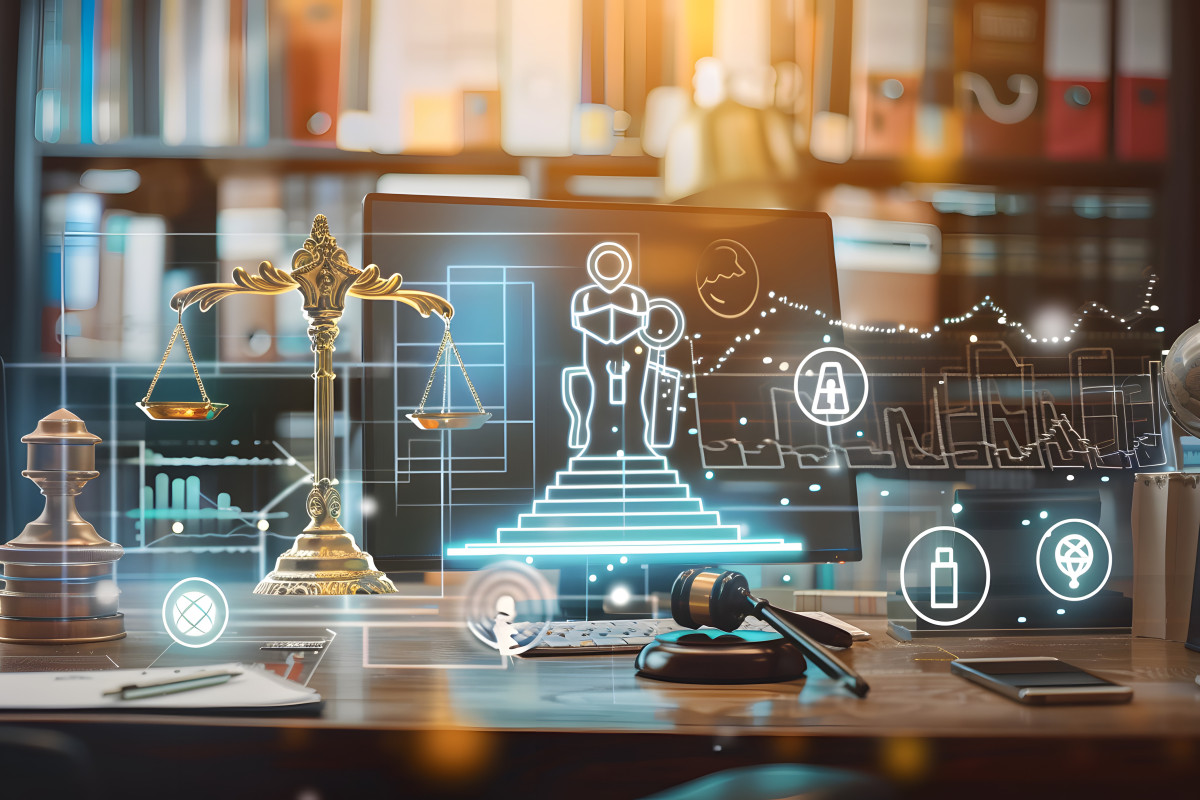
The legal industry, known for its reliance on human expertise and manual processes, is experiencing a significant transformation through the integration of technology, data science, and engineering in a push for great operational efficiency, and improved outcomes.
Data scientists and machine learning experts are stepping in to the legal process to develop tools that process, categorize, and analyze data more efficiently – particularly data from previous cases, filings, contracts, and historical precedence. By using predictive analytics, it’s possible to forecast outcomes of litigation, identify patterns in case law, and optimize case strategies accordingly. As a result, lawyers are able to offer data-driven advice and decisions, giving clients a more accurate understanding of their case’s likelihood of success, and potentially reducing the cost of prolonged litigation.
Legal technology (LegalTech) is also a fast-growing field that also demands STEM skills. LegalTech startups are using engineering and software development to create tools that simplify various legal processes, from e-discovery and case management to virtual notary services and client intake. Software engineers and UX designers are essential in creating user-friendly, reliable platforms that streamline these tasks, improving both efficiency and accessibility for lawyers and their colleagues.
Hospitality

Customer experience is paramount across the hospitality sector – with great experiences leading to word-of-mouth promotion and an increased likelihood of repeat custom. Naturally, there is a heavy reliance on hospitality staff’s customer service skills in delivering these unforgettable experiences – however their talents are increasingly being supported through emerging technologies and data science, increasing the demand for STEM-based skills in the sector.
Personalization is one way to increase the chances of delivering a great experience and delighting customers. As more people book rooms, flights, and experiences online, the industry is gathering vast amounts of data on customer preferences, behaviors, and trends. Data scientists and analysts are essential for interpreting this data, enabling hospitality companies to personalize guest experiences, predict demand, and tailor services to individual needs.
One of the most exciting areas utilizing STEM skills in hospitality is in the creation and maintenance of augmented reality (AR) and virtual reality (VR) experiences for potential clientele. AR and VR tours of hotels, amenities and destinations offer potential guests an insight into what their stay may be like, increasing their chances of a booking and of exceeding their expectations.
Sports
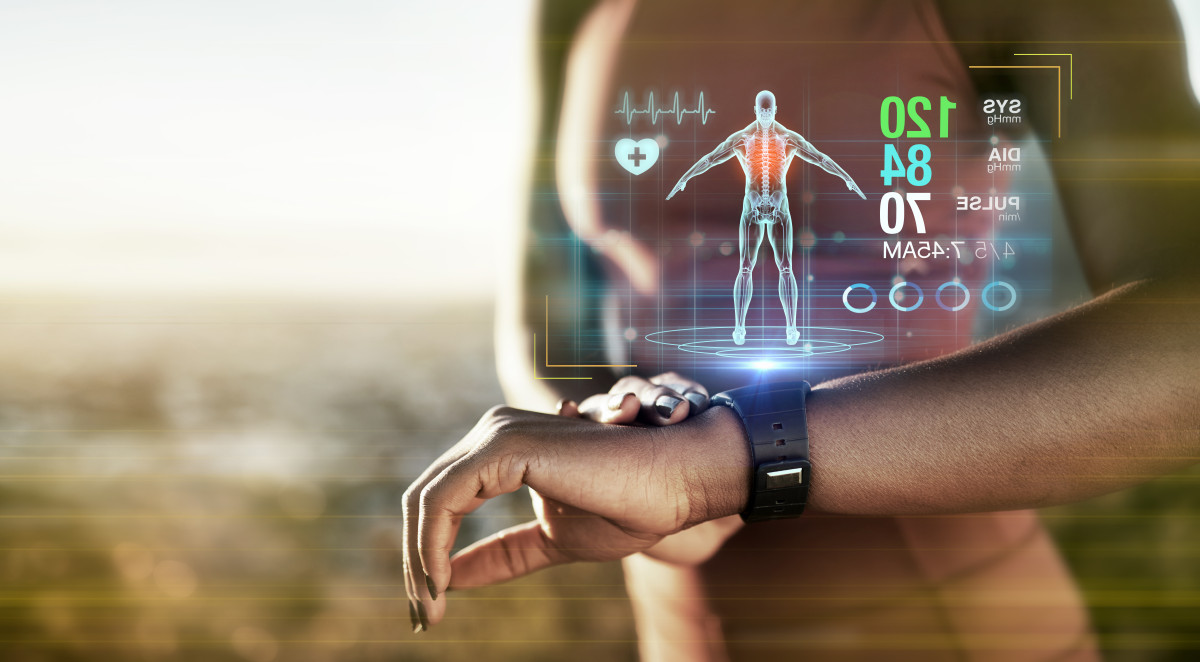
With such a strong focus on sporting talent itself, it’s often easy to forget the teams supporting athletes in their pursuit of sporting greatness – many of whom are embracing individuals with STEM skills.
Data analytics has become indispensable in sports, especially in areas like performance analysis and strategy – exemplified through the ‘Moneyball’ strategy first used in baseball, and now commonplace across many sports. Sports organizations now collect vast amounts of data, including player statistics, biometrics, and game footage, to optimize performance and make strategic decisions, sometimes mid-game. Data scientists and analysts are crucial for processing this data and uncovering insights that can guide training, in-game tactics, and injury prevention.
It would be remiss to not give a mention to the broadcast side of sports, which has long relied on STEM-skills in the form of camera operators and statisticians to help enrich the viewing experience for those at home.
The Future is Bright
With STEM career opportunities set to grow 10.8% by 2032 (four times faster than non-STEM occupations), backed by an estimated $12bn annual investment in education, it’s clear that demand for STEM-based skills will increase in the years to come. We’re excited to see the increasingly diverse range of sectors and industries that are calling on STEM to drive innovation within them – and of course, celebrating those successes!
About the Author: Matthew Gregory