By Wes Swenson, CEO of Novva Data Centers. Novva’s WIRE Robotic Dogs were shortlisted for the ‘AI Innovation of the Year‘ award at The 2024 A.I. Awards.
As data centers continue to evolve, their role in supporting global digital infrastructure becomes increasingly critical.
Couple that with the rise in AI and robotics, and you will have the perfect recipe for optimal efficiency and operations. In fact, it’s estimated that 90% of businesses globally plan to implement some form of robotic automation by 2030, an increase from 20% in 2021. Data centers in particular are primed to benefit from robotics’ promise of enhanced automation.
According to Gartner, half of cloud data centers will leverage advanced robots with AI and Machine Learning capabilities by 2025, which will reportedly increase data center operating efficiency by 30%. With a growing gap between the number of servers and storage volumes at data centers and capable workers to oversee them, deploying robots will be critical in coming years.
While some in the industry were previously put off by the implementation of robotics for fear of the impact on the human workforce, the integration of robotics into these facilities as of late is changing that view by transforming how they operate for the better, enhancing efficiency, reliability, and cost-effectiveness.
Key Benefits of Robotics in Data Centers
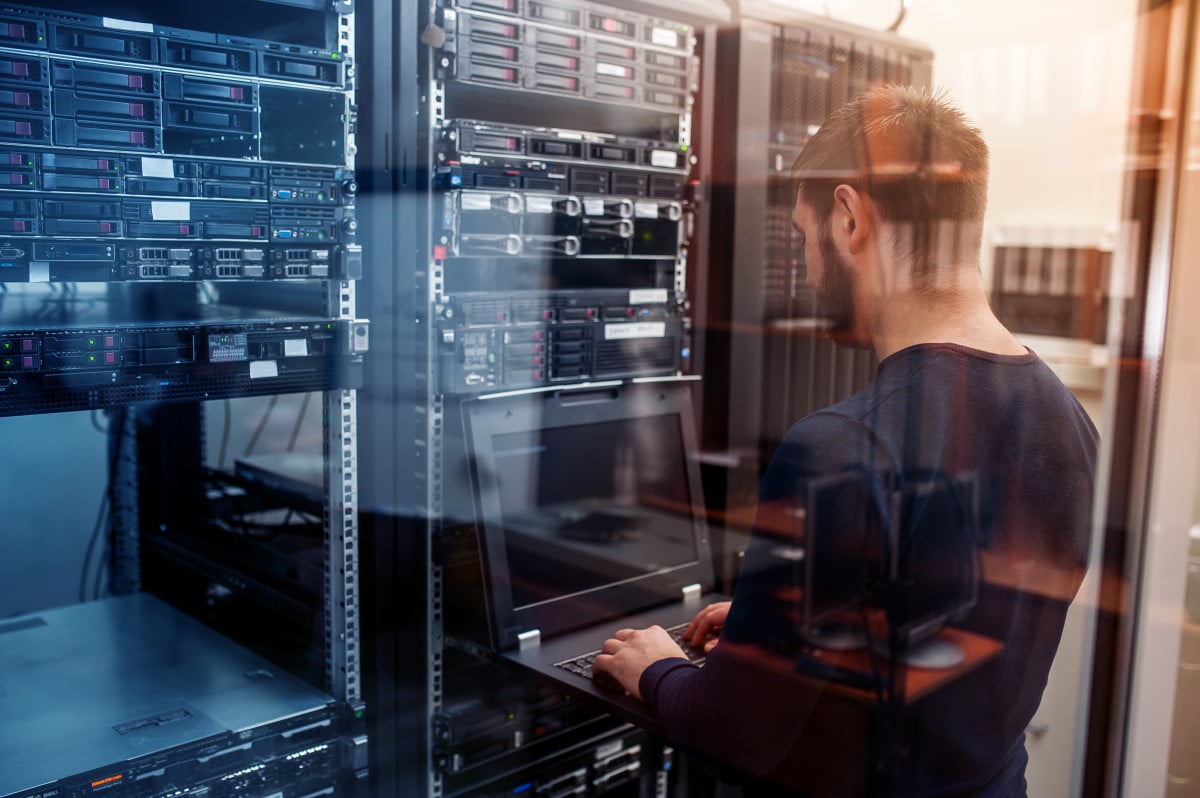
Enhanced Efficiency and Productivity – Robotics in data centers has come a long way since its inception. Initially, robotics were used for simple tasks like moving equipment, but advancements in technology have expanded their capabilities significantly. Perhaps the biggest illustration of beneficial application is in improved efficiency. Today, robots handle a variety of tasks, from routine maintenance to complex troubleshooting. The ability to not only automate mundane tasks but also remove the physical need for a human employee has improved overall efficiency 15-20% overall for facilities implementing these methods. Automated systems can perform repetitive tasks such as server monitoring and maintenance, freeing up human staff for more complex work.
Improved Security – Security remains one of the most critical aspects of mission-critical facilities and also represents a huge opportunity for the implementation of robotics, specifically when it comes to autonomous surveillance. Cybersecurity threats present a challenge on their own, but physical security is just as important and not always “easy” when dealing with facilities of the size and complexity of data centers. That’s where robotics comes into play. By integrating autonomous surveillance using features like high-definition cameras, infrared, and other advanced capabilities, data centers can utilize these drones for consistent and around-the-clock perimeter checks and conduct inspections to react and alert larger systems if needed.
Sustainability Opportunities – A less frequently discussed yet significant advantage of a robotic workforce is its contribution to sustainability. Automation of tasks and security enables greater remote work capabilities for human employees, leading to more sustainable operations. By allowing programming and operational tasks to be performed remotely, employee commuting time is reduced, thereby lowering their individual carbon footprints. In fact, some studies have found that utilizing remote work 4 or more days per week can reduce an individual’s carbon footprint by up to 54%. Given the industry’s less-than-stellar reputation when it comes to energy consumption and environmental concerns, remote work can provide a relatively “easy” avenue for data centers to make a noticeable impact. Additionally, with a largely remote workforce, data centers can optimize environmental settings for efficiency rather than comfort, further decreasing energy consumption and reducing the overall carbon footprint of the facility.

A Human Touch
One of the biggest questions looming overhead in the discussion around robotics in the workforce is whether the need for human employees will disappear. While it may seem that increased automation eliminates the need for on-site staff, that isn’t necessarily the case. It should really be viewed more as a restructuring and blending of the two rather than one over the other. The reality of the matter is that while there are opportunities for automation, those programs will still need to be written by human employees. Not to mention the maintenance these robotic machines will need that will, again, need to be carried out by human employees.
There is no doubt that robotics in data centers provides efficiency for repetitive and relatively mundane work. Perhaps one of the more unspoken benefits of all of these efforts is that human employees are then freed up to utilize more unique skills for more engaging work. Human employees are also more readily available to look at some of these automated data sets and dig deeper into anomalies. When examined holistically, data center operators are really looking in the face of 2 complementary facets of the workforce that work in tandem for overall efficiency.
The Future
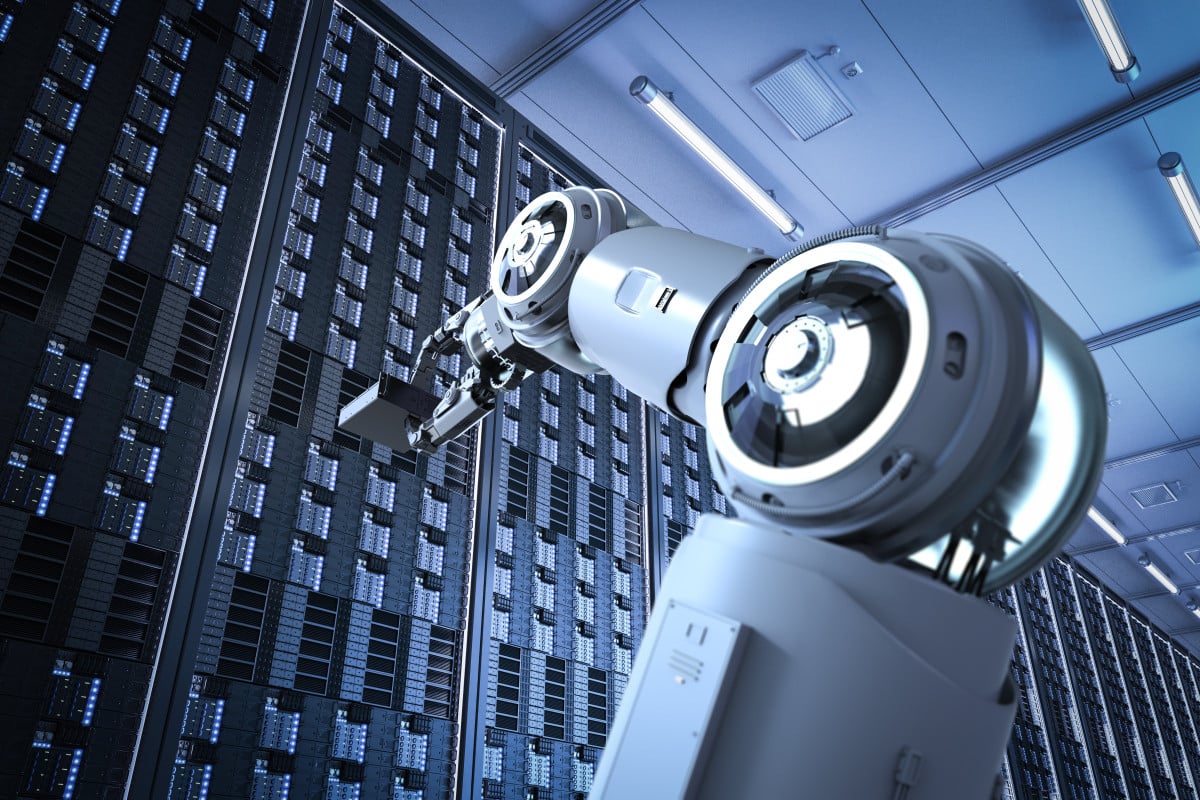
The future of robotics in data centers is promising, with advancements driving improvements in efficiency, reliability, and cost-effectiveness. As technology continues to evolve, the role of robotics will, without a doubt, expand, offering new opportunities for efficiency and sustainability. Embracing these changes and finding ways for your human and robotic workforce to work together is truly the key to success.


About the Author: Wes Swenson