By Brian Logan, Full Funnel Marketer at SynergySuite. SynergySuite were finalists in the ‘Best SaaS Product for ERP’ award at The 2025 SaaS Awards.
The restaurant industry is witnessing a fundamental shift in how customers interact with brands, moving from single-channel touchpoints toward multi-modal experiences that seamlessly blend voice, touch, and mobile interfaces. This transformation extends far beyond simple technology adoption, it represents a complete reimagining of the customer journey that will determine competitive positioning for the remainder of this decade.
Research reveals that six out of 10 millennials and seven out of 10 Gen Z adults report they would likely order through voice-enabled platforms if offered by restaurants they patronize. Simultaneously, self-ordering kiosks have become the largest order channel for brands like Shake Shack, with revenue increasing 14.7% year-over-year. Mobile apps continue growing as preferred ordering platforms, yet a majority of diners still crave new experiences at their local restaurants.
These seemingly contradictory trends point to a crucial insight: successful restaurants won’t choose between voice, touch, or app interfaces, they’ll orchestrate them into cohesive, adaptive experiences that meet customers wherever they are in their journey.
The Interface Evolution: Beyond Single Touchpoints
The progression from traditional ordering to multi-modal interfaces represents more than technological advancement, it reflects fundamental changes in customer expectations and behavioral patterns. Customers no longer accept friction-filled experiences that require adaptation to restaurant systems. Instead, they expect restaurant technology to adapt to their preferences, context, and accessibility needs.
Voice interfaces lead this transformation by offering hands-free convenience that fits naturally into daily routines. Customers can place orders while commuting, managing households, or multitasking in ways that traditional ordering methods cannot accommodate. Advanced voice recognition systems now understand natural language patterns, dietary restrictions, and personal preferences with high accuracy rates.
Touch interfaces provide visual confirmation and customization capabilities that voice alone cannot deliver. Self-ordering kiosks excel at presenting menu options, nutritional information, and customization choices in ways that reduce decision anxiety and increase order accuracy. The tactile nature of touch interfaces also provides accessibility benefits for customers with hearing impairments or those operating in noisy environments.
Mobile apps offer the deepest level of personalization and convenience, enabling customers to save preferences, track order history, and access loyalty benefits across multiple touchpoints. Apps also provide the most comprehensive data collection opportunities, creating feedback loops that improve experiences across all interface modes.
The most successful restaurant brands are discovering that these interfaces complement rather than compete with each other. Customers might browse menus on mobile apps, place orders through voice assistants, and confirm details on touch kiosks, all within a single transaction journey.

Voice Technology: The Invisible Interface Revolution
Voice ordering represents the most natural evolution in restaurant technology interfaces, removing traditional barriers between customer intent and order completion. Unlike screen-based interfaces that require visual attention and manual input, voice systems allow customers to interact with restaurants while engaged in other activities.
The technology infrastructure supporting voice ordering has matured significantly. Speech-to-text systems achieve high accuracy in restaurant environments, while natural language processing enables conversational interactions that feel genuinely human. Large language models provide context awareness that allows voice systems to understand complex orders, dietary modifications, and even ambiguous requests.
Restaurant implementations of voice technology extend beyond simple order taking. Advanced systems can handle table reservations, answer menu questions, provide nutritional information, and even make personalized recommendations based on order history. This comprehensive capability transforms voice interfaces from novelty features into essential operational tools.
Integration capabilities determine voice technology success in restaurant environments. Voice systems must connect seamlessly with point-of-sale systems, inventory management platforms, and kitchen display screens to ensure order accuracy and fulfillment speed. The most effective implementations treat voice as another input method rather than a separate ordering channel.
Customer acceptance of voice ordering varies significantly across demographic segments and use cases. Younger customers embrace voice technology for convenience, while older customers appreciate accessibility benefits. Drive-thru applications show particularly strong adoption rates, where hands-free operation provides clear safety and convenience advantages.
Touch Interfaces: Visual Engagement and Customization Power
Self-ordering kiosks and touch-screen interfaces have evolved from pandemic-era safety measures into strategic customer engagement platforms. These systems excel at presenting complex menu options, visual customization tools, and detailed product information that enhance customer decision-making processes.
The visual nature of touch interfaces addresses a common challenge in traditional ordering experiences. Customers often spend limited time reviewing menu options, frequently missing items that would appeal to their preferences. Touch interfaces can present targeted recommendations, highlight seasonal specials, and guide customers through customization options that increase satisfaction and average ticket values.
Touch screen technology enables sophisticated upselling strategies that feel helpful rather than pushy. Systems can suggest complementary items based on initial selections, present portion size upgrades, or recommend add-ons that enhance meal experiences. When executed properly, these suggestions increase revenue while improving customer satisfaction through better meal completion.
Accessibility features in modern touch interfaces address diverse customer needs that traditional ordering methods often overlook. Large text options, high contrast displays, and multilingual support ensure inclusive experiences for customers with varying abilities and language preferences. Voice output capabilities can even bridge touch and voice interfaces for customers who benefit from both modalities.
Integration with loyalty programs and customer data platforms allows touch interfaces to provide personalized experiences that rival dedicated mobile apps. Returning customers can access saved orders, receive customized recommendations, and redeem rewards without additional friction. This personalization capability transforms anonymous transactions into relationship-building opportunities.
Shake Shack’s experience demonstrates the potential of touch interfaces. The company reported that kiosks have become their largest order channel, with in-store same-store sales jumping more than 20% year-over-year in restaurants with kiosks. The visual merchandising capabilities of kiosks lead to higher average checks as customers are more likely to add premium items, burger upgrades, and beverages.
Mobile Apps: The Personalization and Loyalty Engine
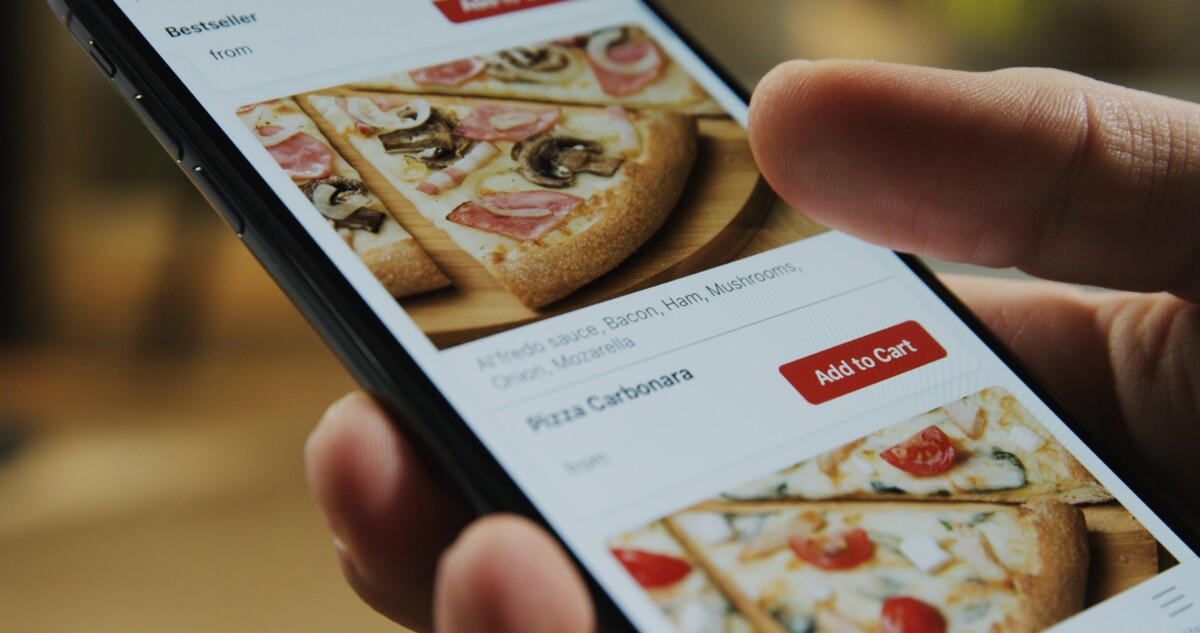
Mobile applications remain the most powerful platform for building long-term customer relationships and gathering behavioral insights that improve experiences across all touchpoints. Apps provide persistent access to restaurant brands that extend far beyond individual transaction moments.
The customization capabilities of mobile apps exceed what voice or touch interfaces can deliver within practical time constraints. Customers can build complex orders, save favorite configurations, and specify detailed dietary restrictions that inform future recommendations. These preference profiles become valuable assets that enhance experiences across all interaction modes.
Loyalty program integration reaches its fullest potential through mobile apps, where customers can track rewards, access exclusive offers, and receive personalized promotions based on order history and preferences.Advanced apps use predictive analytics to anticipate customer needs and proactively offer relevant deals that drive frequency and retention.
Mobile apps also serve as customer relationship management platforms that enable direct communication between restaurants and customers. Push notifications can alert customers about special events, new menu items, or personalized offers. In-app messaging provides customer service channels that resolve issues quickly and maintain brand relationships.
The data collection capabilities of mobile apps inform optimization strategies across all customer touchpoints.Understanding customer preferences, ordering patterns, and satisfaction drivers through app analytics enables restaurants to improve voice and touch interfaces based on comprehensive behavioral insights. Integrated platforms like SynergySuite help restaurants leverage this data across all operational systems for maximum impact.
The Integration Challenge: Orchestrating Seamless Experiences
The greatest opportunity and challenge in multi-modal restaurant interfaces lies in integration orchestration. Customers expect consistent experiences across voice, touch, and mobile platforms, with seamless data flow and preference persistence regardless of interface choice.
Technical integration requires sophisticated backend systems that synchronize customer data, order histories, and preferences across multiple platforms in real-time. When customers place voice orders, those preferences should inform touch interface recommendations during their next visit. Mobile app customizations should transfer seamlessly to kiosk interfaces without requiring re-entry.
Staff training becomes critical when restaurants deploy multiple interface types simultaneously. Team members must understand how different systems work together and be prepared to assist customers who encounter difficulties transitioning between interfaces. This training requirement extends beyond technical operation to include customer service strategies that complement rather than replace automated systems.
Brand consistency across interface types requires careful attention to voice, visual design, and interaction patterns. The personality conveyed through voice interfaces should align with visual branding on touch screens and mobile apps. Inconsistent experiences create customer confusion and undermine the convenience benefits that multi-modal interfaces are designed to provide.
Looking Forward: The Convergent Experience
The future of restaurant customer interfaces lies not in choosing between voice, touch, and mobile platforms, but in creating convergent experiences that leverage the strengths of each modality. Advanced systems will anticipate customer preferences and present optimal interface combinations based on context, history and individual needs.
Artificial intelligence will play an increasingly important role in interface orchestration, learning customer preferences and automatically adjusting interface presentations to maximize satisfaction and efficiency. These systems will understand when to offer voice shortcuts, when to present visual confirmations, and when to suggest mobile app features that enhance current interactions.
The restaurants that thrive in this multi-modal future will be those that view interface diversity as a competitive advantage rather than operational complexity. By understanding customer preferences, investing in integration capabilities, and maintaining consistency across all touchpoints, they will create experiences that not only meet current expectations but anticipate future needs in an increasingly connected world.

About the Author: Brian Logan