By Dave Fraser, CEO of Omnilert. Omnilert were finalists in the ‘AI Innovation of the Year’ award at The 2025 AI Awards.
With 586 mass shootings recorded in 2024, the need to protect organizations and their people has never been greater. This problem exists across all industries, from education and government to manufacturing, banking and retail, among others. It’s no surprise that the surgeon general also issued a landmark advisory declaring firearm violence an American public health crisis in the same year.
The Problem with Modern Day Security
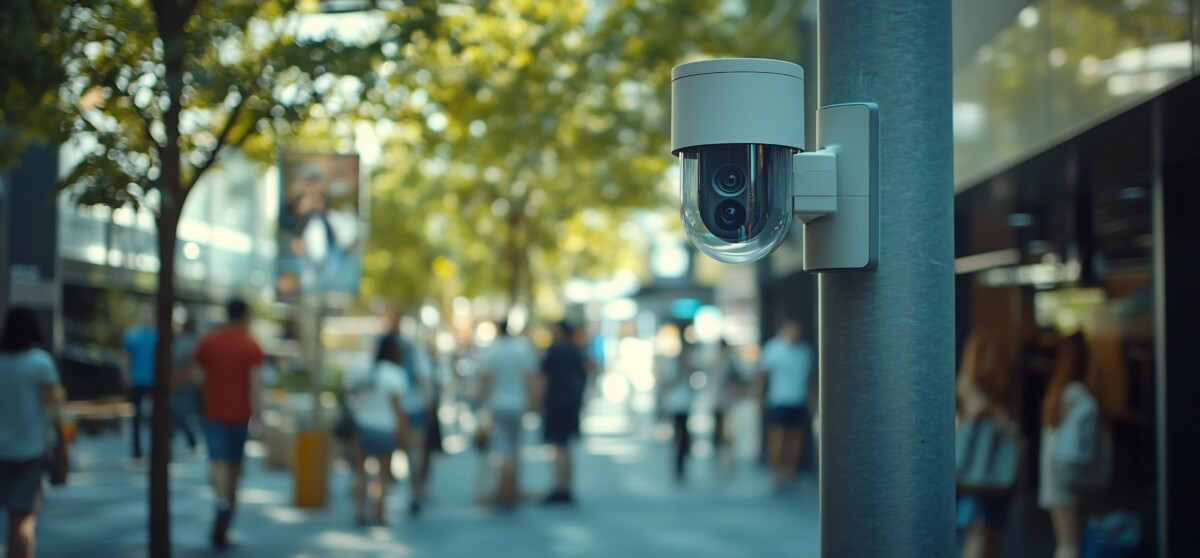
Nearly every public place you walk into today has at least one, and often tens or hundreds, of surveillance cameras recording video feed in the most vulnerable places. This often includes the entrance to a building, areas outside such as parking lots and back entry/exit points, as well as in the lobby and staircases. However, the problem with these cameras is the video they record is primarily used after an event has taken place. For example, in an active shooter event, police would access the video feed in the days after the tragedy to understand the details of what happened. There is nothing ‘preventative’ about this approach. To understand the scope of this problem, you need to know what is done with this extensive amount of recorded video feeds:
- Most of the videos are never watched. In fact, according to the research firm IPVM, less than 1% of all surveillance video captured is watched live. Instead, it’s recorded and saved and only used after an incident has occurred, so law enforcement and other security personnel can reactively review what happened during a specific event.
- If the video feed is being watched in real-time, it is by humans who cannot watch a camera nonstop 24/7. Retail stores are a good example, as many have backrooms equipped with cameras and a few security guards monitoring them to spot any suspicious behavior. While this is an admirable effort, the reality is that human monitoring is prone to significant error. In fact, research has shown that 45% of activity is missed after only 12 minutes of continuous video monitoring, and 95% of activity can be overlooked by humans after just 22 minutes. This could easily lead to disastrous consequences during an active shooter event, where every second counts.
How AI Makes Cameras Smarter
Thanks to technologies such as visual AI gun detection from Omnilert, cameras are becoming more useful than ever before, providing a new level of proactive security that can make a significant difference in active shooter incidents. This technology can be easily integrated with any existing IP-based camera, so organizations can leverage the investment they have already made in their security infrastructure. However, when these cameras are equipped with the software, the organization’s surveillance system is transformed into a 24/7 monitoring service that can identify a gun threat in fractions of a second and, once human verified, can automatically initiate a robust security response designed to save lives. This response is pre-planned so that all it takes is a tap of a button or link to:
- Notify either on-site security, the local police department, or both.
- Lock doors.
- Broadcast alerts and notifications to people trapped in the building. This can include the organization’s already established methods, such as mass text, email and voice to mobile safety apps, social media, PA announcements, and digital signage.
- Sound alarms.
- Provide detailed situational intelligence that can be dispatched to police and onsite security teams throughout an incident for a rapid and more effective response. This information can pinpoint the location of the shooter and provide valuable information such as what they look like, how many shooters there are, what they are wearing, what type of weapon they have, and where they are headed next. Knowing where the shooter is at any given time is key for helping security teams quickly locate and apprehend the shooter, and also for evacuating people in areas that are safe distances from the shooter.
AI: The Life-Changing Tool Making Cameras Intelligent
To identify active shooter gun threats, visual AI gun detection software uses a multi-step process that includes:
- Assess – The software first assesses frames of video to identify a body, such as a torso, arms and legs. Rather than looking for people or trying to identify a person, it views the shape of a body without reference to color, gender or other identifying personal attributes.
- Detect – As video is recorded continuously, the AI software searches for a handgun or long gun in close proximity to the body. It can distinguish a wide range of handguns, shotguns, rifles and military-style weapons, while common objects such as cell phones, hand tools and office supplies are identified to diminish possible false positives.
- Analyze – Multiple frames of video are analyzed in sequence to establish a coherent track of the threat. The relationship of the gun to the arm and hand of the body is analyzed to bring additional clarity to the situation and help determine if an actual gun detection is considered an active shooter threat before an alert is shared for human verification.
A Gun is Identified. What Happens Next?
Instantly identifying a weapon is the key first step, but it’s just as critical to then quickly verify the threat and initiate a full response. When an organization decides to integrate visual AI gun detection into its security system, it will decide ahead of time who should receive any alerts of suspicious activity. This could be an on-site security professional, local law enforcement or even an outside monitoring company. It is recommended that this alert include both still images and video for more context, so the person evaluating can make a more accurate decision of whether it is a real threat.
Once an active shooter has been verified, the speed and detail of the following actions and communications that need to happen will have a profound impact on whether lives are saved or lost. This requires a strong plan of action that details what the response should be in the event of an emergency situation. Organizations should spend a significant amount of time developing a specific plan that clearly outlines the who, what, when and where of managing the situation. It is then imperative to study, discuss, update and practice the plan so a the most robust and effective response can occur with no confusion or delays.
Case Study: How AI Gun Detection Could Have Helped
Unfortunately, there is no shortage of examples of how visual AI gun detection could have helped lessen the devastation from an active shooter incident. One example that shook the country occurred at a High School in Florida. The shooter in this tragedy prepared the weapon on campus, in a stairwell – and this happened in full view of security cameras. Had visual AI gun detection software been running, the gunman would have been identified as soon as he was in front of the camera, and a notification would have been sent instantly. Instead, it was a 911 call that was made 30 seconds after the first shot that alerted local authorities.
If the high school were using a solution such as visual AI gun detection, once a firearm was identified, the alert would have been sent instantly for human verification. Once verified, communications and lockdown workflows would have started automatically. Within seconds, police would have been notified, staff and students alerted, and the system could have been sending key life-saving information to help first responders quickly locate the shooter and evacuate those not in harm’s way. The shooter could have been stopped before any shot was even fired.
While the school didn’t have access to AI-powered visual gun detection at the time, the technology is now available and easy to install. Schools, as well as organizations across all industries, can add an extra layer of protection with a technology that is always-on and never gets tired or distracted like human monitors.
Camera Requirements & Best Practices for Deployment
When implementing visual AI gun detection, organizations must consider these key camera requirements and best practices to ensure their success:
- IP-Based Cameras – Cameras must have the ability to transfer data over the network.
- Pixel Density of the Camera – Pixel density is an important factor to consider when measuring visual analytics potential. AI visual gun detection relies on the ability to see and identify objects in images clearly, and a higher pixel density means the camera system can ultimately discriminate the tiny optical features that distinguish a weapon from other common objects, such as cell phones. By zooming in a camera’s field of view, pixel density is increased, which provides the ability to see objects further from the sensor lens (assuming sufficient light or sensor sensitivity).
- Field of View – The wider the field of view, the more the pixels of a given camera are spread out. This results in decreased detection range since the pixel density decreases rapidly with wide fields of view. Lens distortions in extremely wide fields of view may reduce detection quality. It is important to strike a balance between coverage area and image quality. It is usually more effective to cover a large area with multiple smaller cameras, rather than one high-resolution camera.
- Camera Placement – It is important to integrate visual AI gun detection into cameras at key locations. For example, in the case of the Parkland shooting described above, one key location would have been the stairwell. Other places that are equally important to cover include entry points and exits, exterior parking facilities, easily accessible areas or areas with high foot traffic.
- Proper Lighting – Being able to see the threat clearly is essential for capturing clear video footage. If organizations have cameras located in poorly lit areas, they should consider adding additional lighting or using cameras with light-enhancing capabilities to ensure adequate coverage.

Layering of Technologies is Key
No one technology or solution can prevent an active shooter incident, so a layered approach is critical to protecting organizations from threats. For example, a facility can combine visual AI gun detection with metal detectors and other existing security systems, such as access controls that restrict entry to authorized personnel only. Other technologies that enable a layered security infrastructure include CCTV, real-time alerts, emergency lockdown procedures, added security personnel, perimeter fences and bulletproof glass, just to name a few.
ROI and Business Case
Every organization struggles with budgeting for the things they need versus the things they want. With visual AI gun detection, they can get what they need, which is to save lives from active shooters, while also getting what they need in their bottom line. Here are just a few things to consider:
- Works with Existing Cameras – Nearly all organizations have already invested in IP-based camera surveillance systems and that investment is safe when moving to visual AI gun detection. The software is easily integrated into these existing cameras.
- Eliminates Loss of Revenue – Firearm injuries are estimated to cost private employers $535 million per year nationwide in loss of revenue and productivity. Research has shown that one non-fatal firearm injury leads to roughly $30,000 in direct health care spending per survivor in the first year alone.
- Prevents Lawsuits – Following an incident of gun violence, organizations often are faced with lawsuits, which can be incredibly costly. As an example, there was a $43M verdict against CVS following a parking lot shooting and an $800M settlement was awarded to victims of a mass shooting in Las Vegas.
- Provides Legal and Liability Protections – Organizations deploying AI gun detection technologies that have been given the full SAFETY Act Designation by the U.S. Department of Homeland Security (DHS) are on the “Approved Technologies List.” This elevated status provides legal and liability protections resulting from acts of terrorism when the platform is in use.
Is Your Facility Prepared for an Active Shooter?
For any organization entrusted with keeping its people safe, there are a few key questions it should ask itself:
- Do I have a way of identifying threats the instant they are present in or near my facility?
- Do I have a clear plan that outlines exactly what happens once an active shooter threat has been identified?
- Does my security infrastructure have a layered approach?
Active shooter incidents can’t be predicted, but organizations can control how they prepare. A comprehensive, multi-layered strategy that unites technology, communication, and training ensures the fastest possible response and the greatest protection for those at risk.


About the Author: Dave Fraser